California casual interior design has become one of the most approachable and enduring home aesthetics for DIY enthusiasts and homeowners alike. Unlike maximalist trends that demand constant updates or minimalist approaches that feel cold, California casual strikes an effortless balance, comfort meets style, intentionality meets relaxation. This design philosophy embraces natural materials, soft neutral tones, and livable spaces that don’t shout for attention. Whether someone lives near the coast or in the heartland, California casual brings that laid-back, sun-soaked feeling into any home. The beauty of this style lies in its forgiving nature: it celebrates imperfection, weathering, and authenticity, making it perfect for homes that actually get lived in.
Key Takeaways
- California casual interior design prioritizes comfort and authenticity over perfection, celebrating lived-in spaces with natural materials and neutral tones.
- The foundation of California casual consists of genuine materials like reclaimed wood, linen, wool, and stone that age gracefully and require minimal maintenance.
- Layer neutral colors with soft, nature-inspired accents like muted terracotta, sage green, and dusty blue to create an inviting, intentional palette.
- Choose furniture for comfort and durability over trends, arrange seating to encourage conversation rather than focus on screens, and embrace visible storage that stays organized.
- Maximize natural light with sheer linen curtains and layer artificial lighting with warm bulbs (2700K) through multiple fixtures like sconces and floor lamps.
- Build the California casual aesthetic gradually through low-stakes changes like paint swaps and textile updates, sourcing authentic pieces from thrift stores and local markets rather than mass-produced reproductions.
What Is California Casual Design?
California casual interior design distills the relaxed aesthetic of coastal California living into a practical, adaptable style. It’s not about perfection or pristine showrooms: instead, it celebrates comfort, natural elements, and a sense of ease. The style emerged from the lifestyle of beach towns and bohemian communities where people prioritized comfort, sustainability, and spending time outdoors as much as indoors.
At its core, California casual rejects rigid design rules. It embraces a “lived-in” quality, think sun-faded linen, weathered wood, and collected pieces that tell a story rather than match a catalog. This approach works well for families and anyone who doesn’t want their home to feel precious or off-limits. The style is forgiving enough to accommodate spills, pets, and the wear that comes with real life, yet intentional enough to feel curated and welcoming.
One key distinction: California casual differs from “farmhouse” (which leans rustic and vintage) and “modern minimalist” (which prioritizes clean lines and emptiness). California casual borrows warmth from the former and clarity from the latter, landing in a sweet spot where the home feels both organized and relaxed. It’s sustainability-minded without preaching, eco-conscious without sacrifice.
Key Elements of the California Casual Aesthetic
Natural Materials and Textures
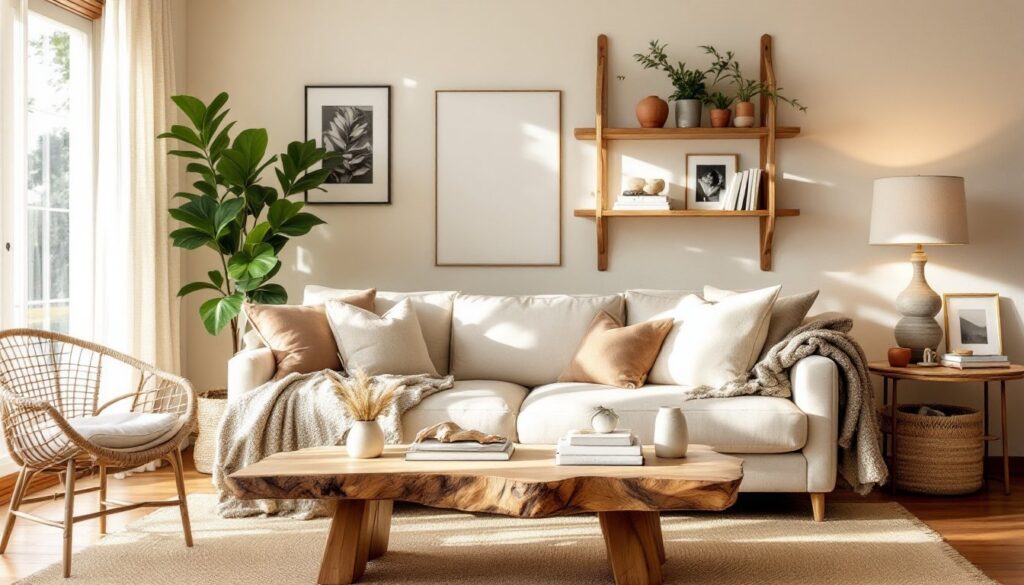
The foundation of California casual design is authenticity in materials. Think raw wood, linen, wool, jute, and stone, textures that age gracefully and feel good to touch. A reclaimed wood coffee table, live-edge shelving, or exposed ceiling beams anchor a room in natural beauty without needing refinishing or fussy maintenance. Wood doesn’t need to be stained dark or sealed glossy: natural grain and light finishes are preferred, showing the material’s character rather than masking it.
Layering textures prevents the look from feeling flat. Pair a jute area rug with a wool throw blanket and linen curtains. Mix smooth plaster walls with rough-hewn wood accents. When materials have visible imperfections, a knot in the wood, a slub in the fabric, weathering on stone, those are features, not flaws. Homeowners should avoid anything that looks overly processed or synthetic: genuine materials are the backbone of the aesthetic.
Incorporate natural materials into functional pieces: concrete countertops (sealed but matte, not polished), terracotta tile flooring, untreated leather upholstery, and cork underlayment add tactile warmth. Sustainability matters here too: reclaimed or sustainably sourced materials align with the philosophy.
Neutral Color Palettes With Organic Accents
California casual relies on a neutral foundation: warm whites, soft grays, warm beiges, and off-whites. These colors keep spaces calm and airy without feeling sterile. A warm white wall paired with natural wood trim creates the baseline: from there, accent colors come from nature, muted terracotta, soft sage, dusty blue, warm ochre.
Avoid pure white, which feels too clinical. Instead, choose warm whites with undertones: ivory, cream, natural linen tones. Grays should lean warm (greige) rather than cool blue-grays. These subtle differences create a cohesive, inviting palette that feels intentional without being trendy.
Accent colors appear in soft furnishings, artwork, and accessories, not on entire walls. A sage-green sofa, a terracotta throw pillow, or a muted blue accent chair brings visual interest while keeping the space calm. Plants naturally add greens and earthy tones. The rule of thumb: if the accent color wouldn’t appear naturally (in a sunset, stone, or plant), it may be too bold for this aesthetic.
Sunlight should influence color choices. California casual spaces maximize natural light, so colors appear warmer and softer in daylight. If choosing paint, test samples on walls and observe them at different times of day.
Furniture and Layout for a Relaxed Vibe
California casual furniture prioritizes comfort and longevity over trend-chasing. Pieces should feel inviting to sit on, not just visually appealing. A deep, oversized sofa in neutral linen or linen-blend fabric invites lounging: a squishy armchair encourages reading and rest. Furniture legs should be visible (not skirted), which keeps sightlines open and the room feeling lighter.
Layout matters significantly. Avoid rigid furniture placement facing a television: instead, arrange seating to encourage conversation. Low-profile furniture, sofas without high arms, side tables at hip height, maintains sightlines and prevents a room from feeling cramped. Negative space is crucial: a room shouldn’t feel packed with pieces. Leave breathing room between furniture groups.
Mixing furniture styles and eras feels authentic. A mid-century modern credenza paired with vintage rattan seating and a contemporary wooden dining table works because all pieces have honest construction and natural materials. Avoid matching sets: the collected, organic feel depends on variety.
Storage solutions should be visible but organized: woven baskets under shelving, open wooden shelving displaying books and objects, vintage trunks doubling as coffee tables. Everything stored away should have a home, preventing clutter without hidden chaos.
Float furniture slightly away from walls to define zones and make spaces feel larger. In smaller rooms, this might mean a low coffee table centered in a seating area rather than pushed to the wall. For families with kids or pets, choose durable, washable fabrics like performance linen blends or sturdy cotton canvas, this style embraces real life, so furniture must withstand it.
Lighting and Decor to Enhance the Mood
Lighting sets the tone for California casual. Maximize natural light by keeping windows uncluttered: sheer linen curtains filter harsh sun while maintaining the airy feel. Avoid heavy drapes or blackout shades: the aesthetic embraces daylight and the rhythm of natural hours.
For artificial lighting, choose warm color temperature bulbs (2700K or lower), which mimic sunset and create a cozy atmosphere. Install multiple light sources, no single overhead fixture dominates. Wall sconces, table lamps with linen shades, pendant lights with simple forms, and floor lamps with natural wood bases provide layered illumination. Dimmers allow flexibility for different moods and times of day.
Decor should feel curated, not cluttered. Display items earned through travel, inherited from family, or found locally rather than mass-produced pieces. A small collection of books, ceramic vases in neutral tones, driftwood branches in a tall vase, or black-and-white photography on the walls add personality. Plants everywhere, on shelves, in corners, hanging from macramé holders, introduce life and color organically.
Walls don’t need heavy artwork: a few meaningful pieces spaced with intention work better than gallery walls. Swap art seasonally or rotate in pieces collected over time. The goal is to feel like the home evolved naturally, not that it was designed all at once.
Textiles amplify coziness: layered throw pillows in various textures (linen, wool, cotton), chunky knit blankets, and area rugs in natural fibers make spaces feel warm and lived-in. Avoid matching sets: mismatched pillow sizes and complementary-but-different colors create an approachable, collected feel.
Bringing California Casual Into Your Space
Start with low-stakes changes. Paint a feature wall in a warm neutral or soft sage: this costs little and transforms a room instantly. Replace heavy curtains with lightweight linen panels to maximize light and soften the room. If repainting feels too big, work with existing wall colors by introducing soft furnishings and decor that establish the palette.
Prioritize swaps over overhauls. Replace a busy rug with a simple jute or natural fiber option. Swap vinyl or laminate accent pieces for wood or rattan alternatives. Over time, these gradual changes build the aesthetic without the shock of a complete renovation.
For those ready for structural updates, consider removing heavy trim, opening shelving, or adding reclaimed wood accents. These projects require basic carpentry skills and tools like a miter saw (for clean angle cuts on trim), circular saw, and nail gun or brad nailer. Always check local building codes before removing walls or making structural changes: some regions require permits for apparently simple work.
Source intentionally. Visit local thrift stores, antique shops, and salvage yards for authentic pieces rather than new reproductions. Farmers markets and craft fairs offer unique decor and textiles that fit the ethos. New pieces should emphasize quality and durability over quantity, buying fewer, better things aligns with California casual’s values.
Most importantly, let the space evolve. California casual looks wrong when it’s perfect. Embrace a coffee stain on linen, weathering on wood, and imperfect arrangement. The style’s power lies in celebrating a home that’s genuinely lived in, not museum-like or staged. Start small, trust instinct, and enjoy watching the space become naturally, effortlessly yours.