
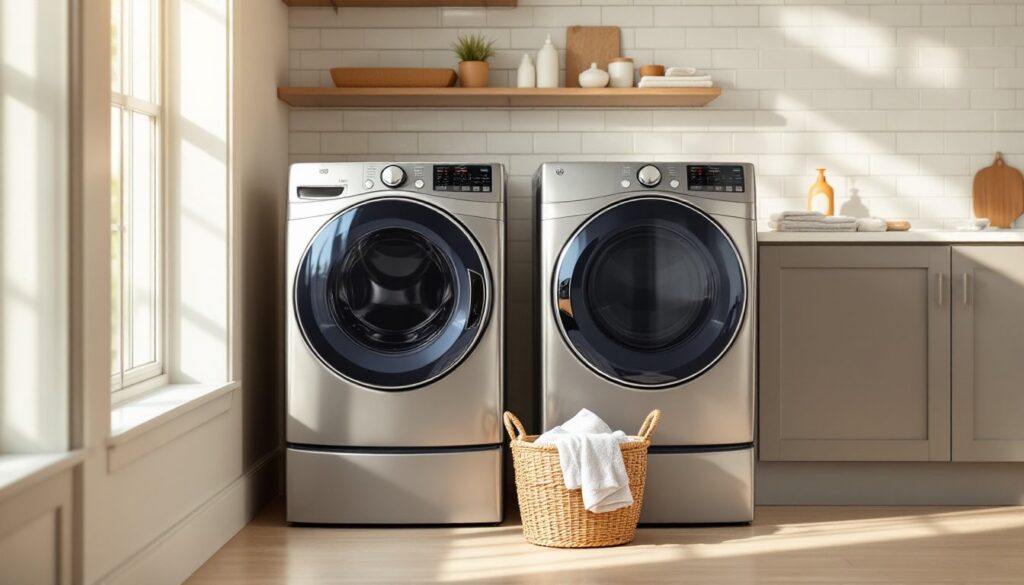
When it comes to laundry day, having dependable appliances makes all the difference. General Electric washers and dryers have earned a reputation for blending reliability with modern technology, and in 2026, the lineup is stronger than ever. Whether someone is upgrading worn-out machines or building out a new laundry space, understanding what GE offers helps cut through the noise of competing brands and marketing hype. This guide walks through why these appliances stand out, what features matter most, and which models deliver the best performance for different needs and budgets.
Key Takeaways
- General Electric washers and dryers offer over a century of engineering expertise with widely available parts, reliable repair support, and straightforward warranty coverage that protects your investment.
- Modern GE washer technology includes inverter-driven motors, SmartDispense detergent automation, and water-saving features that reduce utility bills while extending machine lifespan to 10–12 years.
- GE dryers range from efficient vented models ($600–$950) to heat-pump options that cut energy consumption by 30–50 percent, with Sensor Dry technology preventing over-drying and fabric damage.
- A complete GE washer-and-dryer pair costs $1,200–$3,500 depending on capacity, smart features, and venting type, with prices dropping 15–30 percent during holiday and Black Friday sales.
- Regular maintenance—cleaning lint traps before every load, wiping door seals monthly, and inspecting hoses annually—keeps your General Electric appliances running reliably for 10+ years and prevents costly repairs.
- GE offers flexibility across price tiers with entry-level models starting at $600–$800 and premium models featuring WiFi connectivity and larger capacities up to 5.0 cubic feet, ensuring options for every household budget.
Why Choose General Electric Laundry Appliances
General Electric has manufactured laundry equipment for over a century, and that heritage translates into engineering discipline and supply-chain reliability. GE washers and dryers aren’t the flashiest machines on the market, but they’re built for real households that need appliances to work consistently, day after day.
One key advantage is GE’s service ecosystem. Parts are widely available, repair technicians know these machines inside out, and warranty support is straightforward. When someone buys a GE washer or dryer, they’re not just buying the machine, they’re buying access to a support network that matters when something goes wrong at 2 a.m. on a Sunday.
GE also balances innovation with practicality. The company invests in water-saving wash cycles, smart-home connectivity, and drum materials that handle heavy loads without premature wear. Unlike boutique brands or budget imports, GE scales these features across price tiers, so even entry-level models include thoughtful engineering.
Another real differentiator: GE dryers offer both vented and heat-pump options, allowing buyers to choose based on venting constraints, energy priorities, and budget. That flexibility matters in apartments, condos, and older homes where running a dryer vent isn’t always feasible.
Key Features and Technology Benefits
Modern GE washers lean on inverter-driven motors that adjust speed dynamically, reducing water waste and extending drum life compared to fixed-speed designs. This isn’t flashy, but it cuts utility bills over time and means clothes get gentler treatment.
SmartDispense technology, available on mid-to-premium models, doses detergent automatically based on load size and fabric type. It eliminates guesswork and prevents overdosing, a common mistake that leaves residue and stiffness in clothes. The dispenser holds enough detergent for up to 20 loads, so weeknight refills become monthly rituals.
Water temperature control has matured significantly. GE’s Deep Fill option lets users manually increase water level for bulky items, while Dual-Action Agitator designs (in top-load models) move in opposite directions to prevent tangling without excessive twisting. Front-loaders offer larger capacities, often 4.8 to 5.0 cubic feet, so families can run fewer loads per week.
On the dryer side, Sensor Dry technology monitors moisture levels inside the drum and cuts power once clothes reach target dampness. This prevents over-drying, which damages fabrics and wastes energy. Premium models add WiFi connectivity, sending alerts to a smartphone when cycles complete or if a door latch fails. Heat-pump dryers recover waste heat to dry clothes at lower temperatures, slashing energy consumption by 30 to 50 percent versus traditional vented models, though they cost significantly more upfront.
Both washers and dryers include self-cleaning cycles that run water jets and detergent through internal passages, keeping machines fresh without mold or mildew buildup, a real quality-of-life improvement over older machines.
Popular GE Washer Models and Specifications
The GE GTW840CPNDG is GE’s flagship top-load washer, boasting 4.8 cubic feet of capacity, a dual-action agitator, and SmartDispense functionality. It runs quieter than many competitors and handles everything from bedding to delicates effectively. Expect to pay $900 to $1,200 depending on retailer and promotions.
For front-load preference, the GE GFW850CPNDG delivers 4.8 cubic feet with inverter motor tech, WiFi connectivity, and customizable wash profiles through its app. It uses roughly 12 gallons per load versus 20-plus for traditional top-loaders, making it ideal for water-conscious households. Price point typically ranges from $1,100 to $1,500.
Budget-conscious buyers won’t feel shortchanged with the GE GTW720BSNWS, a solid top-load unit with 4.5 cubic feet and proven reliability. It skips some smart features but includes the essentials: multiple wash cycles, temperature control, and adequate agitation. This model usually costs between $600 and $800.
The GE GFW148SSNWS front-loader offers mid-range value at 4.7 cubic feet with energy-saving credentials but without WiFi bells. It’s a workhorse for families who prioritize performance over app integration. Pricing typically falls between $800 and $1,100.
All models meet or exceed ENERGY STAR standards, meaning annual operating costs stay reasonable. Capacity matters: a family of four generating 6–8 loads weekly benefits from machines at 4.5 cubic feet or larger, cutting total wash time significantly.
Top GE Dryer Models and Performance
The GE GTD840CPNDG vented dryer pairs well with the flagship washer, offering 7.8 cubic feet (truly large), dual lint traps, and Sensor Dry technology. It dries most loads in under 45 minutes and cost-effectively integrates with existing dryer venting. Budget $700 to $950.
For eco-conscious households, the GE GHP65EBSNWS heat-pump dryer cuts energy use dramatically compared to conventional models, drying clothes at lower temps while extending garment life. It costs significantly more, typically $1,800 to $2,300, but energy savings offset the premium over 5–7 years in regions with high electricity rates. Drying times are longer (90–120 minutes for full loads), so users need patience or shorter laundry intervals.
Mid-market buyers gravitate toward the GE GTD800CPNDG, a vented dryer with 7.3 cubic feet, adequate airflow, and straightforward controls. Sensor Dry and wrinkle-control cycles work reliably, and it costs less than premium models without sacrificing performance. Typical price: $600 to $850.
The GE GTC800LSNWS combines compactness with utility, perfect for apartments or tight laundry rooms. At 6.2 cubic feet, it handles normal-to-large loads, though bulky items (comforters, pillows) may require two cycles. Price usually hovers around $500 to $700.
Venting compatibility matters. GE dryers use standard 4-inch dryer vents, widely available at hardware stores. Ensure venting runs as directly as possible to outdoors (no more than 25 feet, with elbows reducing effective distance). Improper venting forces the machine to work harder and risks lint accumulation, a fire hazard.
Pricing and Value Comparison
GE washer-and-dryer combos range from approximately $1,200 for entry-level vented pairs to over $3,500 for premium front-load plus heat-pump configurations. Timing matters: Black Friday, Labor Day, and holiday sales often trim 15–30 percent off list prices.
Compared to brand alternatives, GE sits in the middle tier. LG and Samsung machines sometimes cost more upfront but pack aggressiveness with smart home integrations. Whirlpool and Maytag often undercut GE on price but may sacrifice component durability or warranty depth. Boutique brands like Miele exceed GE in longevity but ask premium prices ($3,000+ per machine).
When evaluating value, factor in:
- Capacity: Larger machines cost more but reduce load count per week, saving time and utility costs.
- Warranty: GE typically offers 1-year parts/labor, with extended plans available. Compare coverage limits.
- Energy efficiency: ENERGY STAR machines cost 10–30 percent more but pay dividends through lower utility bills.
- Feature scope: SmartDispense and WiFi connectivity add $200–$400 but aren’t essential for basic laundry needs.
Buyer’s tip: Measure the laundry space before committing. Front-loaders require stacking or side-by-side installation and more clearance for door swing. Top-loaders need vertical overhead space. Existing plumbing and dryer venting affect final installation cost, sometimes adding $200–$500 to total outlay.
Maintenance Tips and Longevity
GE washers and dryers live longest when users respect routine maintenance. After every load, wipe the rubber door seal (on front-loaders) to prevent mold buildup, a common complaint among neglectful owners. Run the self-cleaning cycle monthly or whenever odors appear.
For top-loaders, don’t ignore the agitator: periodically remove it (check the manual for your model) and rinse away detergent residue. Lint and soap accumulate where you can’t see, fostering mildew and reducing wash effectiveness.
Dryer lint traps need cleaning before every load, this isn’t optional advice, it’s a fire-safety mandate. A clogged trap forces heat to build up inside, risking lint ignition. Every 2–3 years, disconnect the dryer and vacuum the exhaust duct to clear lint that escapes the trap. Clogged vents reduce efficiency and shorten dryer lifespan significantly.
Use the correct detergent type: HE (high-efficiency) formulas are essential for modern washers, especially front-loaders. Regular detergent creates excessive suds, overwhelming the machine and leaving residue. Fabric softeners and dryer sheets help but aren’t required: use sparingly to avoid buildup.
Hose inspection is underrated. Check inlet hoses (the lines connecting washer to water supply) annually for cracks or ballooning. A burst hose causes flooding, an expensive and preventable disaster. Most hoses last 5–7 years: replace proactively if they look compromised.
With consistent care, a GE washer typically runs 10–12 years, and a dryer can exceed 15 years. This longevity justifies the mid-tier price point for most households.
Conclusion
General Electric washers and dryers deliver practical performance without hype or unnecessary complexity. Whether prioritizing capacity, energy savings, or smart home features, the 2026 lineup offers solid options across price ranges. Success depends on matching the right model to household needs, respecting installation requirements, and maintaining machines consistently. With proper care, a GE pair becomes a dependable workhorse for years.