
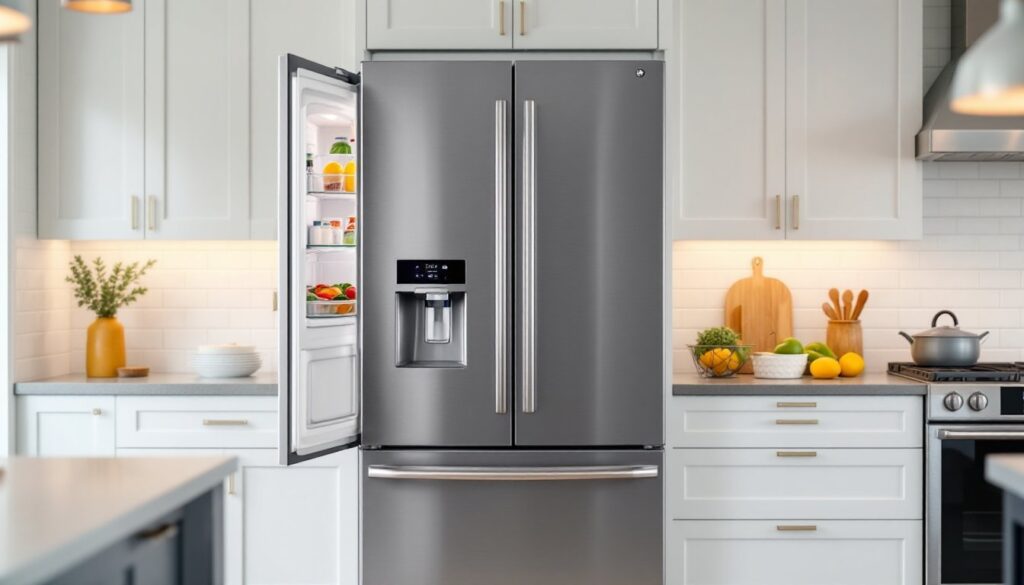
When shopping for a new refrigerator, homeowners often face a choice between layout styles, and the side-by-side design remains one of the most popular options in the market. A GE side-by-side refrigerator delivers the convenience of freezer and fresh-food access at eye level, eliminating the need to bend down or reach up awkwardly. Whether upgrading a kitchen or building a new home, understanding what sets GE’s side-by-side models apart, and how their features stack up against the competition, helps buyers make an well-informed choice that fits both their lifestyle and budget.
Key Takeaways
- A GE side-by-side refrigerator provides equal freezer and fresh-food access at eye level, eliminating awkward bending or reaching and making it ideal for families who freeze as much as they refrigerate.
- GE side-by-side models range from budget-friendly options ($1,200–$1,500) to premium units exceeding $3,000, with mid-range models ($1,800–$2,500) offering the best balance of durability and modern features like WiFi connectivity and inverter compressors.
- Most GE side-by-side refrigerators carry ENERGY STAR® certification and use inverter compressors that modulate cooling continuously, saving $200–$400 in energy costs over the 13-year lifespan compared to non-certified models.
- Built-in water and ice dispensers are common on GE side-by-side units, but verify filter lifespan (6–12 months), ice type options, and water line installation requirements before purchasing.
- GE’s commitment to durability, reliable cooling technology, and extensive parts availability through their dealer network make these refrigerators a solid long-term investment with minimal service calls expected in the first five years.
- When comparing GE side-by-side refrigerators, calculate total cost of ownership by factoring in energy consumption and local electricity rates rather than relying solely on the sticker price.
What Makes GE Side-by-Side Refrigerators Stand Out
GE has been a dominant player in home appliances for over a century, and that experience shows in their refrigerator engineering. A general electric side-by-side refrigerator is built on a foundation of reliable cooling technology, thoughtful design, and a range of models that span different budgets and kitchen sizes.
One key differentiator is GE’s commitment to durability. Most GE side-by-side units feature heavy-duty compressors and robust shelving systems rated to hold heavier loads than competing brands. The door seals and gaskets are designed for longevity, and replacement parts remain readily available through GE’s vast dealer network. Homeowners appreciate that they’re not just buying an appliance: they’re investing in a brand with a track record.
Another strength lies in capacity and interior organization. GE typically offers spacious compartments and flexible storage options, including adjustable shelves, gallon-door bins, and humidity-controlled crisper drawers. The side-by-side layout itself gives each section balanced width, which works well for families who freeze as much as they refrigerate. Unlike French-door or top-freezer models, there’s no compromise: both the fridge and freezer get equal real estate.
Key Features and Technology to Consider
Modern GE side-by-side refrigerators go beyond basic cooling. Understanding the available features helps narrow down which model suits specific needs.
Smart Cooling and Storage Systems
GE’s smart cooling systems use multiple temperature zones to maintain optimal conditions for different foods. Look for inverter compressors, which adjust cooling speed based on demand rather than cycling on and off repeatedly, this saves energy and reduces temperature fluctuations.
Many GE models now include smart shelving, which lets homeowners configure layouts without tools. Some units feature a convertible freezer drawer that can switch from freezer to fridge mode, offering flexibility as storage needs change. This is particularly useful in smaller kitchens or for households that shift between food storage patterns seasonally.
Water and Ice Dispensing Options
most GE side-by-side refrigerators come with built-in water and ice dispensers, but the options vary. Filtered water systems reduce sediment, chlorine, and odor, improving taste compared to tap water. Check the filter lifespan, most last 6 to 12 months depending on water quality and use.
Ice options range from standard cubed ice to nugget ice (also called sonic ice), which is softer and popular for beverages. Some models offer dual ice makers or turbo freeze modes that quickly produce ice during parties or hot weather. Understand the water line requirements: you’ll need access to a cold-water line, either behind the fridge or through the walls, which may require professional installation if plumbing isn’t already in place.
Popular GE Side-by-Side Models and Performance
GE’s lineup includes budget-friendly and premium options. Entry-level models like the GE GSL or GSS series offer reliable cooling and basic dispensers at lower price points, starting around $1,200–$1,500. These units are ideal for renters or small households and still carry GE’s warranty backing.
Mid-range models, such as the GE GZS or GFE series, introduce smart features like WiFi connectivity, inverter compressors, and stainless steel finishes. Prices typically run $1,800–$2,500. These represent the sweet spot for most families seeking durability and modern conveniences without premium pricing.
High-end GE side-by-side refrigerator options, including models with premium ice makers, counter-depth designs, and advanced temperature management, can exceed $3,000. These appeal to homeowners with larger budgets or those renovating kitchens where aesthetic integration matters.
Performance reviews consistently note that GE units maintain consistent temperatures, handle frost buildup well, and rarely require service calls within the first five years. But, some users report that ice makers can jam if mineral buildup occurs: using filtered water and cleaning inlets periodically prevents most issues. Noise levels typically range from 40–45 decibels, which is average for the category.
Energy Efficiency and Long-Term Cost Savings
Energy consumption is a significant factor in refrigerator ownership costs. Most GE side-by-side models carry an ENERGY STAR® certification, meaning they use at least 15% less energy than federal minimum standards. Look for units rated around 600–750 kWh per year for standard 25–27 cubic-foot models.
To calculate annual operating cost, multiply yearly kWh usage by your local electricity rate. If a unit uses 650 kWh annually and your rate is $0.12 per kWh, that’s roughly $78 per year. Over the typical 13-year lifespan of a refrigerator, this difference between an ENERGY STAR model and a non-certified unit can save $200–$400.
GE’s newer inverter compressors are the main reason for improved efficiency. Rather than ramping power up and down, they modulate continuously, reducing energy waste and minimizing internal temperature swings that degrade food quality.
When comparing side-by-side refrigerators, don’t just look at the sticker price: factor in the total cost of ownership. A GE model at $2,000 with lower energy use may cost less over 13 years than a $1,500 unit with higher consumption. Check the EnergyGuide label on every model for estimated annual operating costs, the label is required and makes apples-to-apples comparison straightforward.
Conclusion
Choosing a GE side-by-side refrigerator means weighing features, capacity, budget, and long-term efficiency. Whether selecting a no-frills entry model or a feature-rich unit with smart controls, GE’s engineering and parts availability offer peace of mind. Focus on your actual needs, don’t overpay for ice-maker styles you won’t use, and remember that energy efficiency pays dividends year after year. With the right model matched to your household, a GE side-by-side refrigerator delivers years of reliable service.