
A refrigerator breaking down isn’t just inconvenient, it’s a wallet-drainer if you don’t know your options. Whether you’re dealing with a leaking door seal, a broken ice maker, or a failed compressor, understanding GE refrigerator parts and replacement options can save you hundreds in service calls. This guide walks you through identifying common failures, locating your model number, sourcing genuine GE refrigerator parts, and deciding whether a DIY fix makes sense. If you own a GE Profile refrigerator or standard GE model, you’ll find the same replacement part principles apply, though some premium lines have specialized components. Let’s get practical about keeping your fridge running without the guesswork.
Key Takeaways
- Door seals, water filters, and ice makers are the most common GE refrigerator parts that fail and typically require replacement within 3-5 years of use.
- Locate your GE refrigerator model number on an interior label (inside the fridge or on the rear panel) to accurately order compatible replacement parts without guesswork.
- Purchase genuine GE refrigerator parts from the official GEAppliances.com website or authorized distributors like AppliancePartsPros to guarantee authenticity and compatibility.
- DIY repairs work best for simple replacements like door seals, water filters, and drawers (under $200 and under one hour), while compressors and electrical components require a licensed technician.
- Quarterly condenser coil cleaning and six-month water filter replacement cost almost nothing but prevent expensive failures and extend your refrigerator’s lifespan by years.
Most Common GE Refrigerator Parts That Fail
Not all refrigerator components fail at the same rate, and knowing which ones wear out most often helps you stay ahead of a full breakdown.
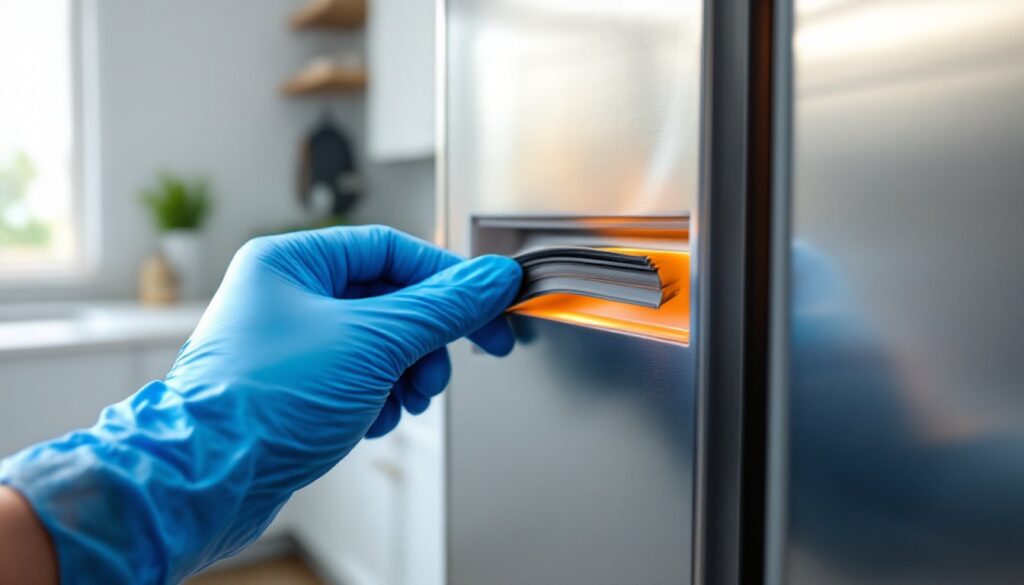
Door seals and gaskets are the workhorses that wear first. These rubber strips seal in cold air around every door opening. After 3-5 years of daily opening and closing, they crack, compress, or come loose. A failing gasket forces your compressor to run constantly, hiking your electric bill and shortening the fridge’s lifespan. Replacement door seals for GE refrigerator parts are straightforward swaps, usually a matter of unclipping the old gasket and pressing a new one into the groove.
Ice makers fail frequently because they involve moving parts and water lines. Common issues include a stuck solenoid valve that won’t open, broken augers that jam, or cracked ice molds. Genuine GE refrigerator replacement parts for ice makers run $150–$400 depending on model complexity.
Water filters clog and reduce flow, affecting both ice quality and water dispensing. Filters should be replaced every 6 months, though many homeowners skip this maintenance. A GE refrigerator replacement filter is cheap insurance ($40–$80) against sediment buildup and mold.
Thermal fuses and compressors are the expensive replacements. A thermal fuse protects the compressor from overheating: once blown, it stops the whole unit. Compressors themselves rarely fail but, when they do, repair costs ($300–$800+) often mean replacing the entire appliance. You can identify these high-stakes parts in GE refrigerator parts by model number documentation, available through the manufacturer.
Defrost timers and evaporator coils manage ice buildup in the freezer section. When a timer fails, frost accumulates and blocks airflow, or the fridge stops cooling altogether. GE Profile refrigerator replacement parts for defrost systems are less common replacements but critical when they fail. These components typically require a service technician unless you’re very comfortable with electrical work.
How to Identify Your GE Refrigerator Model Number
You can’t order the right GE refrigerator parts by model number without first finding that number. Mismatched parts won’t fit, waste your money, and leave you frustrated.
Your model number is printed on a label, usually inside the fridge. Open the fresh-food door and look along the top wall, inside the light housing, or on the side wall. For freezer compartments, check near the top or bottom edge. The label typically shows “Model” or “Mod.” followed by a sequence like WR28X10093 (compressor part) or a full model designation like GFE28GYNFS (the complete refrigerator SKU).
If you can’t locate an interior label, check the back of the unit. Unplug the fridge, pull it away from the wall, and look for a nameplate on the rear panel or bottom edge. This label contains both the model number and serial number, useful for warranty checks and parts ordering.
Once you have the model number, you can search GE’s official parts website or third-party appliance parts retailers to see exact GE refrigerator parts by model number. A GE Profile refrigerator parts list looks nearly identical to standard GE models: the difference is in trim, finish, and a few premium features, not the core replacement parts. Write the number down and keep it in a notes app or photo, you’ll reference it frequently.
If the label is worn or missing, contact GE Customer Service with your serial number. They’ll confirm the model and help you navigate available replacement parts without guesswork.
Where to Buy Genuine GE Refrigerator Parts
Aftermarket parts are cheaper, but genuine GE refrigerator replacement parts guarantee fit, quality, and sometimes warranty coverage.
GE’s official website and parts portal (GEAppliances.com) sells direct from the manufacturer. You can search by model number, filter by part type (compressors, doors, shelves), and read compatibility notes. Shipping costs are built in, and returns are straightforward. This is your safest bet if you want confidence in authenticity.
Authorized GE parts distributors like AppliancePartsPros and PartSelect stock both GE and GE Profile refrigerator parts. They often offer faster shipping than the manufacturer and competitive pricing. These retailers verify model compatibility before you buy, reducing returns.
Local appliance parts shops in your area may stock high-demand items like general electric refrigerator parts (filters, door seals, ice maker arms) without ordering delays. They’re also worth visiting if you need immediate help identifying a part or diagnosing a failure.
Third-party marketplaces (Amazon, eBay) carry GE refrigerator parts, but verify the seller’s rating and check that the listing explicitly states compatibility with your model. Counterfeit appliance parts exist, and a cheap compressor or water inlet valve from an unknown seller could be a scam or inferior knock-off.
Before purchasing, always double-check that the part number on the listing matches the one in your refrigerator documentation or the model number search results. GE Profile refrigerator replacement parts often share numbers with standard lines, so don’t assume a lower price means a different product. When in doubt, call the retailer’s customer service and confirm the fit.
DIY Replacement vs. Professional Repair
Some GE refrigerator replacements are weekend projects: others require a licensed technician and a hefty bill.
Good DIY candidates: Door seals, water filters, drawers, shelves, and ice maker arms are user-friendly. Most require only a screwdriver or no tools at all. A homeowner with basic mechanical confidence can swap these in under an hour. Parts cost $20–$150, and the risk of damage is minimal. GE dishwasher parts and GE refrigerator inside parts (like crisper drawers) follow the same plug-and-play logic.
Borderline cases: Water inlet valves, door latch assemblies, and defrost timers involve some disassembly and may require disconnecting water lines or electrical connectors. If you’re comfortable following a repair video and testing continuity with a multimeter, you can handle these. GE dishwasher replacement parts often follow similar modular designs, so prior appliance repair experience helps. Allow 1–3 hours and expect $100–$300 in parts.
Call a professional: Compressors, sealed refrigerant systems, and major electrical components should stay in the hands of a licensed technician. Touching a compressor without EPA certification is illegal (refrigerant recovery regulations). Electrical failures also risk electrocution if you don’t know how to safely discharge capacitors. General electric refrigerator part replacement for these systems runs $300–$1,200+ in labor and parts, but a mistake could destroy the entire unit or harm you.
The honest take: If the repair is under $200 and straightforward (seal, filter, drawer), DIY saves money and teaches you your appliance. If the bill would exceed $400, think hard about whether the repair makes sense versus replacement. Most refrigerators older than 15 years aren’t worth an expensive compressor replacement.
Safety reminders: Unplug the refrigerator before opening panels. Wear gloves to avoid cuts from sharp edges. If you’re replacing a water inlet valve, turn off the main water line or the valve under the sink first. Never work on electrical components while the unit is plugged in.
Tips for Maintaining Your GE Refrigerator
Prevention beats replacement every time. Regular maintenance shrinks the odds of catastrophic failure and extends your refrigerator’s life by years.
Clean condenser coils quarterly. Dust and pet hair clog the coils on the back or underneath your fridge, forcing the compressor to work harder and wear faster. Unplug the unit, use a coil cleaning brush or soft vacuum, and wipe down the fins. This 10-minute task prevents many premature compressor failures.
Replace water filters every 6 months (or sooner if water flow slows). A clogged filter makes the ice maker struggle and reduces water pressure. This is the cheapest maintenance task and avoids ice-maker failures entirely.
Check and clean door seals monthly. Wipe the rubber gasket with a damp cloth to remove food debris and mold. A clean seal maintains contact with the door frame, keeping cold air inside. If you spot cracks or notice cold air leaking, replace the seal before the problem spreads.
Defrost the freezer if you have a manual-defrost model (less common in modern GE units, but some still exist). Allow ice buildup no thicker than ¼ inch. Excessive frost blocks airflow and raises temperatures.
Keep the fridge at 37–40°F and the freezer at 0°F or below. Use a simple refrigerator thermometer to check: most dial thermostats on older units are unreliable. Correct temperature settings prevent spoilage and reduce compressor strain.
Don’t cram food too densely. Airflow circulation is essential. Leave at least 1 inch of space between items and the back wall. Poor circulation causes uneven cooling and increases compressor run time.
Vacuum the condenser area annually and ensure ventilation is unobstructed. If your GE Profile refrigerator (or any model) sits flush against a wall, leave at least 2 inches of clearance for air to circulate around the unit.
These habits cost almost nothing but save hundreds by preventing the failures that lead to emergency replacement part orders or major repair bills.
Conclusion
GE refrigerator parts are accessible, well-documented, and often affordable if you know where to look and which repairs make sense for DIY. Start by locating your model number, research your specific failure, and honestly assess your comfort level before ordering parts. Simple replacements like door seals and water filters save you money and keep your appliance running efficiently. For complex electrical or refrigerant work, professional repair is worth the cost and keeps you safe. With preventive maintenance and the confidence to handle basic repairs, you’ll extend your refrigerator’s lifespan and avoid expensive emergencies down the road.