Transitional interior design strikes a careful balance between the timeless appeal of classic design and the clean lines of modern style. It’s the answer for homeowners who want their spaces to feel polished and intentional without sacrificing warmth or personality. Unlike minimalist interiors that can feel cold, or heavily ornate traditional spaces that demand constant visual engagement, transitional design creates rooms that are simultaneously inviting and refined. This approach has become increasingly popular because it adapts well to changing trends and personal preferences, allowing rooms to evolve without complete overhauls. Whether renovating a kitchen, refreshing a living room, or designing from scratch, understanding transitional design principles helps create spaces that feel both grounded and current.
Key Takeaways
- Transitional interior design balances classic warmth and quality materials with modern clean lines, creating spaces that feel refined yet inviting without the coldness of minimalism or the heaviness of traditional ornate design.
- Neutral color foundations combined with layered textures and carefully selected accent pieces are the cornerstone of transitional design, allowing spaces to age gracefully and remain timeless rather than trendy.
- Intentional furniture selection and strategic storage solutions prevent clutter while maintaining comfort and functionality—avoid oversized statement pieces in favor of well-proportioned items with streamlined silhouettes.
- Visual interest in transitional spaces comes from structural elements like crown molding and architectural details, layered textiles, and a limited number of thoughtfully grouped accessories rather than scattered decorative objects.
- Coordinated lighting with multiple sources and consistent metal finishes throughout fixtures and hardware create the polished, cohesive aesthetic that defines successful transitional interior design.
What Is Transitional Interior Design?
Transitional interior design is fundamentally about restraint and blending. It takes the ornamental details and warmth of traditional design, think crown molding, classic furniture silhouettes, and layered textiles, and pairs them with the uncluttered simplicity and geometric forms of contemporary style. The result is a middle ground that feels accessible and livable while maintaining sophistication.
The style emerged as a reaction to overly trendy design movements. Rather than chasing fleeting aesthetics, transitional spaces are designed to age gracefully. A transitional living room won’t look dated in five years because it doesn’t rely on trendy wallpapers, statement pieces, or color schemes that scream a particular decade. Instead, it emphasizes quality materials, neutral foundations, and pieces that work together cohesively.
The key distinction is intentionality. Every element in a transitional space serves a purpose, aesthetic, functional, or both. There’s no “busy-ness” for its own sake, and no stark minimalism that feels uninviting. It’s design that respects the occupant’s lifestyle while elevating the everyday.
Key Characteristics of Transitional Spaces
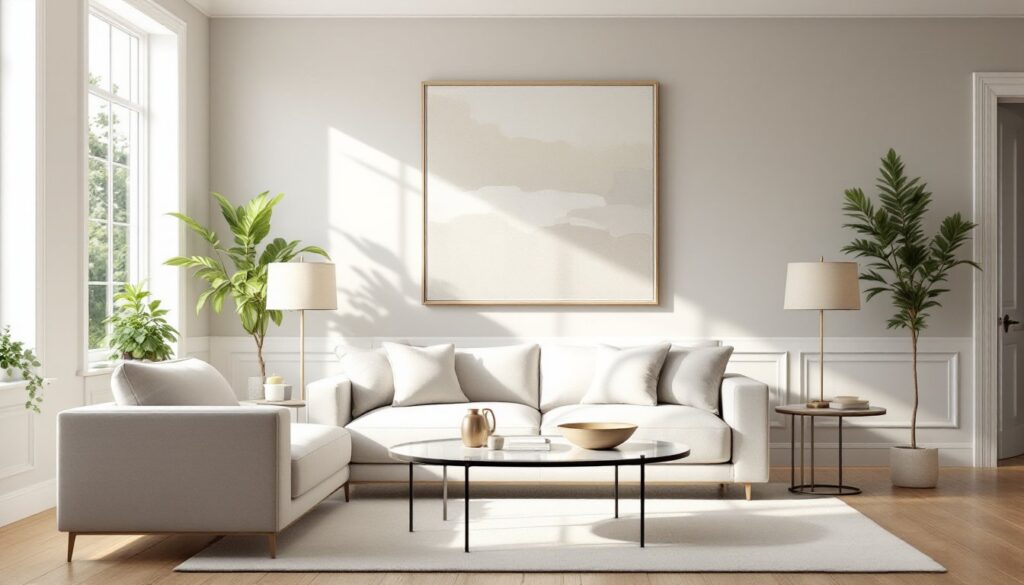
Transitional interiors share several defining features that distinguish them from other design approaches. These spaces prioritize clean lines and uncluttered floor plans, but they soften those lines with carefully chosen details. Think streamlined sofas paired with layered throw pillows, simple wooden tables topped with decorative accessories, or contemporary light fixtures above traditionally-styled furniture.
Balance is the operating principle. If a room includes a statement piece, say, an ornate mirror or a vintage-inspired chandelier, it’s anchored by simpler surrounding elements. Conversely, if the palette is minimal, texture and layered materials add warmth. Proportions matter: transitional designers avoid oversized statement furniture that dominates a room, instead choosing pieces that relate well to the space’s scale.
Quality craftsmanship is visible but understated. Solid wood furniture, well-made hardware, and durable textiles take priority over trendy fast-furniture pieces. The goal is creating a room that feels substantial without announcing itself loudly.
Color Palettes and Materials
Transitional spaces typically rely on neutral color foundations: soft whites, warm beiges, soft grays, and muted taupes. These create a calm backdrop that allows textures and accent colors to shine. Within this framework, homeowners introduce color sparingly through artwork, throw pillows, or an accent wall in a muted tone rather than a bold primary color.
Material selection reinforces the blend of styles. Hardwoods like oak, walnut, and maple appear in both traditional furniture and contemporary pieces. Textiles combine natural fibers, linen, cotton, wool, with more durable, easy-care synthetics. A sofa might feature a linen-like fabric in a warm neutral, paired with a solid-colored throw in natural wool. Flooring typically includes hardwood, light-toned tile, or engineered wood that mimics natural grain patterns.
Metals are kept subtle and cohesive: mixing brushed nickel, oil-rubbed bronze, and brass is avoided in favor of sticking to two tones throughout a room or floor plan. This restraint in finishes prevents the space from feeling eclectic or overly decorated.
Furniture and Layout Essentials
Transitional furniture selections prioritize comfort and functionality without sacrificing form. Sofas typically feature simple, squared-off arm details and neutral upholstery, avoiding both the ornate rolled arms of traditional styles and the ultra-minimalist, low-slung profiles of contemporary design. Sectionals work well in transitional spaces because they’re practical for families while maintaining clean lines.
Storage solutions should be integrated rather than statement-making. Built-in shelving, cabinetry with simple paneling, and furniture that pulls double duty (ottomans with hidden storage, media consoles that blend into wall treatments) keep clutter at bay. This is critical: transitional design breaks down quickly if surfaces become cluttered with decorative objects or functional items.
Layout should flow logically, supporting how people actually live. An open-plan living area benefits from clear zones: a seating cluster, a distinct dining area, and perhaps a reading nook. Furniture should be arranged to encourage conversation and movement rather than creating tight, inefficient configurations. Avoid pushing all furniture to walls: instead, float pieces to define spaces naturally.
Tables are an opportunity to blend eras. A contemporary glass-and-steel coffee table pairs beautifully with a traditional wood dining table with simple spindle legs. The key is restraint in detailing, straight lines, minimal carving, and proportions that feel intentional rather than ornate.
Creating Visual Interest Without Clutter
One of the trickiest aspects of transitional design is creating visual interest without filling a space with decorative objects. Too many throw pillows, figurines, or wall hangings can quickly tip a room toward cluttered traditionalism, defeating the point.
Start with a strong foundation: an interesting paint color (even a soft blue-gray adds depth to white), architectural elements like **crown molding or a wainscot, or a feature wall with simple paneling or shiplap. These structural elements provide visual interest that objects can’t replicate.
Layering is the next step. Textiles introduce pattern and texture safely: a neutral sofa topped with two or three throw pillows (mixing a solid with a subtle pattern or two complementary tones), a textured throw blanket draped over one arm, and perhaps a layered area rug. This approach feels collected without appearing chaotic.
Wall art should be intentional. A few well-framed pieces in a gallery-style arrangement works better than scattered individual items. A large statement piece, a landscape painting or an abstract print in muted tones, can anchor a wall without feeling overly decorated. Keep hardware and frames consistent: brushed metal, natural wood, or painted finishes that coordinate with the room’s overall palette.
Accessories follow a rule of three or five: aim for groupings rather than scattered items. Three books stacked horizontally on a shelf, five pieces of tableware on a coffee table, this creates composition without excess.
Lighting and Accessories for a Polished Look
Lighting design separates polished transitional spaces from haphazard ones. The goal is multiple light sources at varying intensities: overhead fixtures, task lighting, and ambient options that can be adjusted for mood and function.
Ceiling fixtures should be understated but visible. A simple drum light, a geometric pendant, or a linear fixture works well: ornate crystal chandeliers or ultra-modern sculptural pieces can break the balance. Aim for something with clean lines and quality materials, brushed metal or natural wood accents.
Table lamps and floor lamps in matching bases (same finish, similar scale) provide functional task lighting while adding visual weight to a room. Lampshades should be linen or linen-like in neutral colors: patterned shades can work but should tie back to the room’s color scheme.
Accessories finish the space. A few carefully chosen items, a decorative bowl with a beautiful finish, a small potted plant, a stack of design books with cohesive spines, add personality without clutter. Keep surfaces mostly clear, reserving 60-70% of shelf space and table space for open air. This breathing room prevents visual noise and makes cleaning easier.
Metallic finishes in accessories should coordinate with door hardware, light fixtures, and faucets. Mixing warm brass with cool nickel, for instance, undermines the cohesive, intentional feeling that transitional design aims for. Stick to a maximum of two metal tones per room.
Conclusion
Transitional interior design offers a practical path for homeowners seeking spaces that feel both current and enduring. By blending classic proportions and quality materials with contemporary restraint and clean lines, transitional interiors become backdrops for life rather than precious showrooms. The style rewards thoughtful selection, careful editing, and a commitment to avoiding both excessive ornamentation and cold minimalism. Whether undertaking a full home renovation or updating individual rooms, applying transitional principles, neutral foundations, intentional furniture, layered textures, and uncluttered surfaces, creates spaces that look polished, age gracefully, and genuinely support how people live. Start with foundational elements, introduce color and pattern gradually, and resist the urge to fill every surface. The result is a home that feels like an extension of its inhabitants, welcoming and refined.