Interior design isn’t about having expensive furniture or trendy decor, it’s about understanding how spaces work. The seven essential elements of interior design form the backbone of every well-designed room, whether someone is tackling a full renovation or simply refreshing a tired corner. These fundamentals guide decisions about layout, color, materials, and furnishings in ways that make spaces functional, beautiful, and personal. For DIYers and homeowners taking design into their own hands, mastering these elements means the difference between a room that feels off and one that genuinely works. Understanding space, color, texture, scale, pattern, and balance transforms how anyone approaches a project, no design degree required.
Key Takeaways
- The seven essential elements of interior design—space, color, texture, scale, pattern, and balance—form the foundation of any functional and beautiful room, no design degree required.
- Proper space and layout planning, including traffic flow with 18–24 inches of walking clearance between furniture pieces, ensures rooms are both functional and welcoming.
- Color and light work together to set a room’s mood; test paint samples throughout the day and layer lighting with ambient, task, and accent options for maximum flexibility.
- Texture and material selection add depth and tactile interest; mix natural materials with performance fabrics suited to your room’s traffic and function.
- Furniture scale and placement should be proportional to the room size, with height variation and multifunctional pieces creating visual rhythm while maximizing usability.
- Balance, asymmetrical arrangement, and strategic pattern mixing prevent rooms from feeling flat or chaotic while reflecting personal style and creating inviting, composed spaces.
Space and Layout
Space and layout form the foundation of interior design. Before picking a single paint color or buying furniture, understand how people move through the room and how the space functions. This starts with a floor plan, either a rough sketch or a measured drawing, that shows wall placement, door swings, windows, and electrical outlets.
Good layout considers traffic flow. A hallway leading to a bedroom shouldn’t require guests to navigate around the sofa or side tables. Similarly, the seating area in a living room needs enough clearance for someone to walk from the entry to the far wall without squeezing past furniture. A common rule: leave 18–24 inches of walking space between major pieces. Measure the room’s actual dimensions, not what it might be listed as, since walls often run slightly off-square and obstructions like HVAC ducts or structural posts matter.
Zoning separates activities within an open floor plan. A living/dining area works better when the sofa and dining table occupy distinct zones, often defined by a rug, a step or level change, or simply the furniture arrangement itself. This visual separation helps the eye organize the space and makes both areas feel more intentional. When planning layout, also account for natural light sources and how they change throughout the day. Morning east-facing light differs from afternoon west-facing glare, and this affects where someone might place a reading chair or work desk.
Color and Light
Color is the most immediate design decision, it sets mood before anyone sits down. Warm colors like terracotta, mustard, and rust energize spaces and feel intimate, while cool colors like soft blues and greens calm and expand perception. Neutral bases (warm whites, soft grays, warm taupes) act as anchors, letting accent colors via artwork, pillows, or a feature wall do the talking without overwhelming the room.
Light dramatically changes how color appears. A paint sample that looks perfect in daylight can feel muddy under warm incandescent bulbs or harsh under cool-white fluorescent fixtures. Always test paint on a full wall section and observe it at different times of day. Natural light from windows controls the room’s brightness and affects which colors work best, north-facing rooms with cool light suit warm colors to balance, while bright south-facing rooms tolerate cooler palettes.
Lighting design involves three layers: ambient (overall room brightness from ceiling fixtures or natural light), task (focused light for reading, cooking, or working), and accent (highlighting art, architectural details, or creating mood). Layered lighting with multiple switch controls gives flexibility. Dimmer switches on overhead fixtures prevent harsh, uninviting brightness and extend the life of bulbs. LED bulbs now come in warm (2700K) through cool (5000K+) color temperatures, so matching light type to the room’s mood and function is straightforward without expensive rewiring.
Texture and Materials
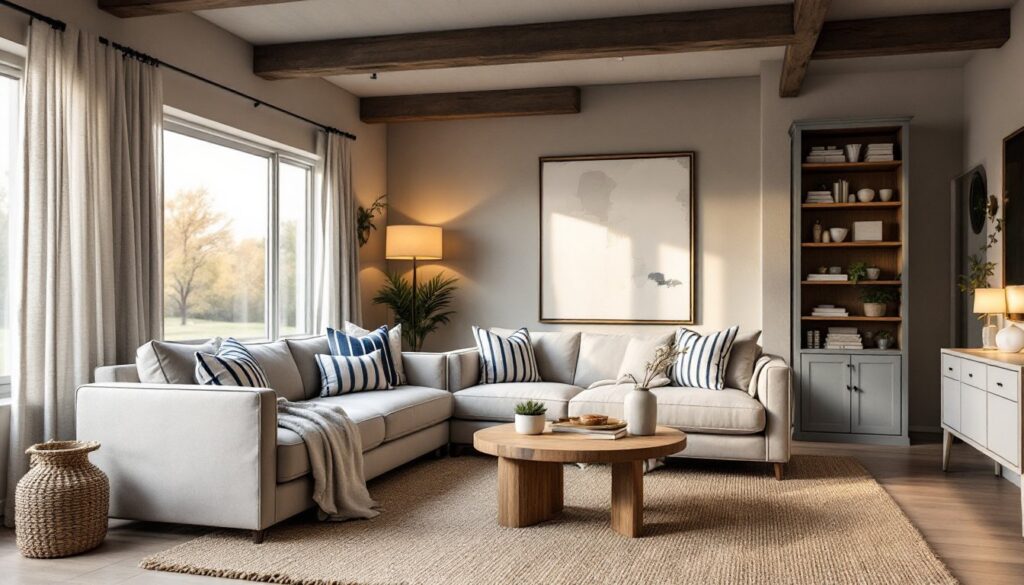
Texture brings depth and prevents spaces from feeling flat or sterile. A room with only smooth surfaces, polished drywall, glass, and plastic, feels cold and uninviting. Layering textures, a linen sofa, a jute rug, wood beams, rough plaster walls, soft throw blankets, creates visual and tactile interest.
Material choice affects both durability and feel. Natural materials like wood, stone, and wool age beautifully and develop patina, while performance fabrics engineered for high-traffic areas resist stains and wear better in family homes. When selecting flooring, consider foot traffic patterns: hardwood looks elegant but shows scratches, while luxury vinyl plank (LVP) mimics wood grain and withstands moisture and impact better in kitchens or bathrooms. Grout and caulk color choices in tiled areas affect the final look, light grout emphasizes individual tiles, while dark grout unifies the pattern.
Textured wall finishes like shiplap, textured drywall (sometimes called orange peel or popcorn), or wallpaper add character but also collect dust and can be harder to clean or repaint. Choose textures that support the room’s function: a high-traffic hallway benefits from wipeable, durable surfaces, while a bedroom can embrace softer, more delicate finishes.
Furniture and Scale
Furniture scale, the size of pieces relative to the room and each other, determines whether a space feels balanced or cramped. An oversized sectional overwhelms a small living room, while a tiny loveseat looks lost in a large one. Measure the room before shopping: a common rule is that the sofa should be roughly one-third the wall length where it sits. Doorways, hallways, and staircases affect what fits, so verify dimensions before purchasing.
Furniture height variation prevents monotony. Pairing low, horizontal pieces (like a console table or low shelving) with taller items (a bookcase, tall plant, or standing lamp) creates visual rhythm. A room where all pieces sit at the same height looks flat. Similarly, furniture placement defines function: a nightstand next to the bed serves its purpose, but a console table creates a focal point in an entryway.
Multifunctional furniture stretches space. An ottoman with storage, a desk that doubles as a dining table, or shelving that displays décor while storing books keeps rooms from feeling cluttered while maximizing usability. When budget is tight, a few larger, well-chosen pieces look intentional rather than a hodgepodge of mismatched items filling gaps.
Pattern and Visual Interest
Pattern adds personality and prevents spaces from feeling sterile or boring. A room with solid colors everywhere can feel dull, while too many competing patterns feels chaotic. The balance depends on the room’s size and mood, a small powder room can handle bold wallpaper, while a bedroom meant for calm should favor subtle, gentle patterns.
Mix pattern scale: a large-scale geometric wallpaper pairs well with a smaller-scale striped throw pillow or an all-over textured rug. When two patterns share a common color, they harmonize rather than clash. For example, navy and white striped curtains work beside a navy and white geometric pillow because the color palette is consistent. A general guideline: the more pattern on walls, the simpler furnishings should be, and vice versa, a patterned sofa works best with solid walls and understated accessories.
Pattern also extends beyond textiles. Tile layouts in kitchens and bathrooms (herringbone, subway, hexagon, or mosaic), wood flooring directions, and even how bookshelves are arranged create visual rhythm. These choices feel cohesive when they echo the room’s overall design story rather than introducing unrelated themes.
Balance and Proportion
Balance doesn’t mean symmetry, a room with a sofa on one side and an equally weighted bookcase on the other feels formal and stiff. Asymmetrical balance uses different elements of equal visual weight to create harmony. A tall bookcase on one side might balance a window with long curtains on the other, or a large painting might offset a collection of smaller frames grouped together.
Proportion ensures that design choices feel intentional rather than accidental. Hanging artwork at eye level (57–60 inches from the floor to the center) rather than too high or too low looks intentional. Area rugs should extend at least 18 inches from the sofa’s edge: too-small rugs make a seating area feel disconnected and awkwardly placed. Margin matters: leaving white space around a gallery wall or between grouped accessories prevents the room from feeling crowded or design-heavy.
Balance also applies to visual weight, darker colors and larger patterns feel heavier than lighter colors and minimal patterns. A dark accent wall on one side of a room can be balanced by a lighter wall with bold artwork or a window treatment on another side. The goal is a room that feels composed and restful rather than pulled in one direction or visually exhausted.
Conclusion
The seven essential elements of interior design work together to create spaces that function beautifully and reflect personal style. Understanding space and layout prevents functional missteps, while color and light set the room’s mood. Texture and materials add depth, furniture and scale ensure proportional comfort, and pattern brings personality. Finally, balance and proportion tie everything together into a cohesive, inviting space.
Mastering these elements doesn’t require hiring a designer or spending a fortune on trendy pieces. It means thinking intentionally about how each decision, from paint color to furniture placement, contributes to the whole. Start with one element, observe what works, and build from there. The best designed spaces feel effortless because their foundations are solid.