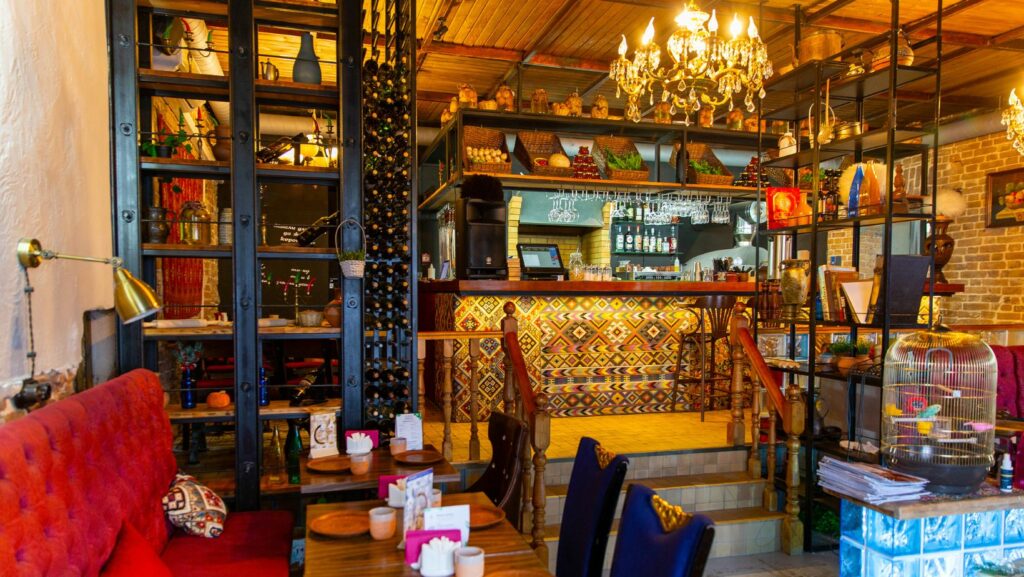
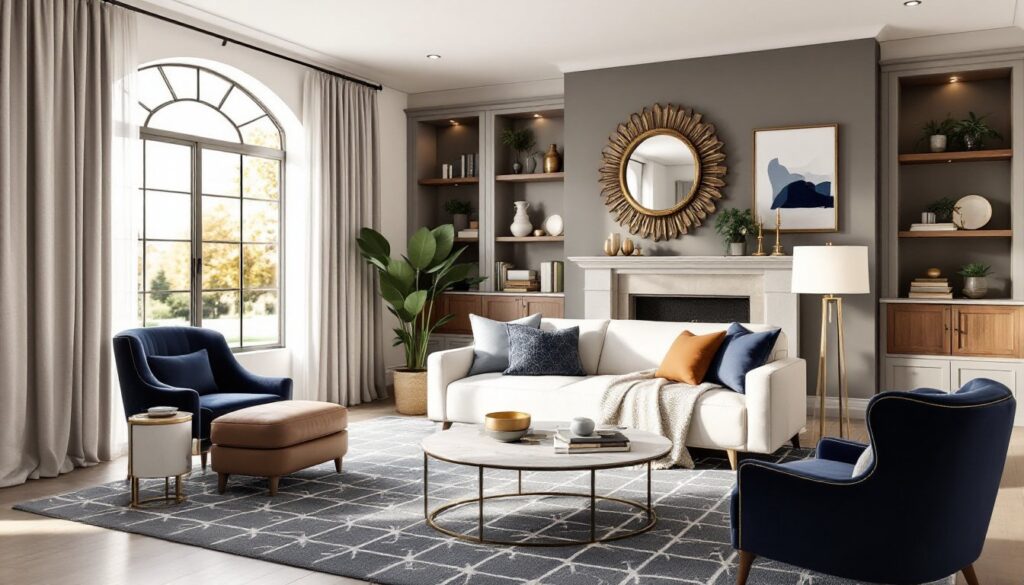
A drawing room, whether a formal sitting room or a contemporary living space, serves as the heart of hospitality and leisure in any home. Unlike a bedroom or kitchen, it’s where design choices are on full display, and where comfort meets aesthetic intention. The difference between a drawing room that feels cramped and dated versus one that breathes sophistication often comes down to understanding a few core design principles: how to layer color, select proportional furniture, manage light, and create visual rhythm. This guide walks through seven essential design ideas that work whether you’re starting from scratch or refreshing a tired space. These aren’t trends that’ll fade by next year, they’re foundational approaches that stand the test of time.
Key Takeaways
- Drawing room interior design success starts with accurate measurements, identifying a focal point, and understanding traffic patterns to create a space that balances hospitality with sophisticated aesthetics.
- A three-color approach—60% neutral, 30% secondary, and 10% accent colors—creates visual cohesion in drawing room design and prevents the space from feeling chaotic or mismatched.
- Layered lighting combining ambient, task, and accent lights transforms a drawing room from flat to sophisticated, with warm white light (2700K) creating the most inviting atmosphere.
- Proportional furniture arrangement with 18–24 inches between seating pieces and an 8×10 or 9×12 foot area rug anchoring the conversation zone ensures both comfort and visual balance.
- A strong focal point—whether a fireplace, large-scale artwork, or architectural feature—grounds the entire drawing room and gives the eye a natural resting place.
- Textiles like throw pillows, curtains hung floor-to-ceiling, and throw blankets are the quickest, most affordable way to shift a drawing room’s personality while adding warmth and tactile comfort.
Understanding Drawing Room Design Fundamentals
A drawing room differs from other living spaces in its primary purpose: it’s where guests gather, conversations flow, and the home makes its first impression. This distinction shapes everything from traffic flow to furniture arrangement.
Start by measuring your space accurately. Use a tape measure to document wall lengths, window sizes, door swings, and any permanent fixtures like fireplaces or built-ins. Sketch these to scale (even a rough grid on paper works). This foundation prevents costly furniture purchases that won’t fit.
Next, identify the room’s natural focal point. It might be a fireplace, a large window with a view, or an architectural feature. If none exists, you’ll create one through furniture arrangement or a feature wall. Every piece in the room should relate back to this anchor, it’s what the eye naturally lands on first.
Consider traffic patterns. A drawing room typically has one or two entry points. Furniture should allow clear pathways without blocking sightlines. Seating arrangements often form a conversation area, which isn’t always facing the television: instead, pieces angle slightly toward each other, making dialogue the priority.
Finally, assess natural light. Observe how sunlight moves through the room at different times of day. This informs where you’ll place darker, light-absorbing furnishings versus lighter pieces, and where you’ll position artwork or mirrors to reflect and amplify available light.
Color Palettes That Elevate Your Drawing Room
Color is the quickest way to set a room’s mood. A well-chosen palette creates cohesion: a mismatched one reads chaotic, even with good furniture.
For drawing rooms, a three-color approach works reliably. Choose one dominant neutral (cream, soft gray, warm taupe, or soft white) for 60% of the space, walls, larger upholstery pieces, or flooring. Add a secondary color (jewel tones like deep emerald, navy, or burgundy work beautifully) for 30% coverage through accent walls, larger pieces, or area rugs. Reserve the final 10% for accent colors in accessories, artwork, or smaller furnishings.
Neutral walls paired with rich accent pieces remain timeless. A pale gray or warm white provides a backdrop that lets furniture and artwork shine without competing. If you prefer color on walls, consider it carefully: deep jewel tones in a north-facing room may feel heavy, while sun-soaked south-facing rooms can handle deeper hues.
Pattern and solid ratios matter too. If you introduce a patterned area rug, keep upholstery largely solid. If a patterned sofa anchors the seating area, use solid pillows and calmer wall colors. This balance prevents visual overwhelm.
Test paint samples on your actual walls at different times of day. Colors shift under morning light, afternoon sun, and evening artificial light. Buy sample pots, paint large swatches, and live with them for a few days before committing. What looks perfect in the store can feel entirely different at home.
Furniture Selection and Spatial Planning
Drawing room furniture should balance comfort, proportion, and durability. Pieces spend years in use here, so invest in quality construction over trendy silhouettes.
Start with seating: a sofa, chairs, and perhaps a bench. Sofa dimensions matter, a 72- to 84-inch sofa suits most rooms, leaving wall space for other elements. Avoid oversized sectionals unless your drawing room is spacious: they can consume a room and limit arrangement flexibility. Choose performance fabrics (solution-dyed synthetics or treated naturals) in high-traffic homes: they resist stains and hold color longer than untreated upholstery.
Add accent chairs with varied heights and shapes. Pairing a modern wingback with a mid-century modern lounge chair creates visual interest without discord. Leave 18 to 24 inches between seating pieces for conversation distance, too close feels cramped, too far defeats dialogue.
Coffee tables should sit about 12 to 18 inches from sofa edges and occupy roughly two-thirds of the conversation area’s footprint. Round or oval tables work in tight spaces and soften hard angles. Rectangular tables maximize surface area for drinks, books, or displays.
Consoles and side tables serve both function and style. A console behind a sofa anchors the back wall and provides display space for lamps, plants, or artwork. Pair console heights with sofa arm heights for visual continuity.
Flooring grounds the space. A well-placed area rug (usually 8×10 or 9×12 feet) anchors the seating arrangement and defines the drawing room zone within a larger open space. The rug’s front edge should sit under the sofa’s front feet, with the conversation furniture sitting partially on the rug’s surface.
Lighting Design for Ambiance and Functionality
Layered lighting, combining ambient, task, and accent lights, transforms a drawing room from flat to sophisticated. Relying solely on ceiling fixtures or floor lamps leaves corners dark and creates harsh shadows.
Ambient lighting sets the baseline. Ceiling fixtures (flush-mounts, chandeliers, or semi-flush mounts) provide general illumination. Choose fixtures proportional to ceiling height and room size, a small chandelier in a large, high-ceilinged drawing room disappears, while an oversized fixture in a cozy room overwhelms.
Task lighting supports activities: reading, writing, or focused conversation. Table lamps on side tables and consoles should sit at eye level when seated to avoid glare. Use shades (linen or cotton diffuse light softly) rather than bare bulbs. A 40- to 60-watt equivalent LED bulb provides comfortable reading light without excess energy use.
Accent lighting highlights artwork, architectural features, or focal points. Picture lights mounted above artwork, wall sconces flanking a mirror, or uplighting directed at corner plants add depth and draw the eye. These layers don’t all come on simultaneously, dimmer switches on ambient and task circuits allow mood adjustment from bright and functional to soft and intimate.
Color temperature matters. Warm white light (2700K) feels inviting and comfortable in drawing rooms: cool white (above 4000K) suits task work but can feel clinical in a relaxation space. Mixing temperatures strategically, warm ambient, neutral task lighting, balances comfort with functionality.
Textiles, Patterns, and Decorative Accents
Textiles bring warmth, pattern, and tactile comfort to drawing rooms. They’re also the quickest, most affordable way to shift a room’s personality without major renovation.
Begin with throw pillows. Vary sizes (combine 20×20-inch, 16×16-inch, and lumbar pillows), textures (linen, velvet, cotton blends), and patterns without matching everything. A solid sofa pairs beautifully with pillows in the room’s accent colors and subtle patterns, perhaps a geometric print, a botanical, and a solid jewel tone. Aim for 4 to 6 pillows on a standard sofa, adjusting for size and arrangement.
Throw blankets draped over sofa arms or chairs add texture and practicality. Choose weights suitable to climate: lightweight cotton or linen for warm months, wool blends for cooler seasons. A 50×60-inch throw works for most seating pieces.
Curtains and drapes frame windows and influence light. Floor-to-ceiling drapes make rooms feel taller and more formal: they also provide better light control and thermal efficiency than shorter panels. Linen, linen blends, and high-quality synthetics resist fading and maintain drape over time. Hang curtain rods 4 to 6 inches above the window frame and extend them 8 to 12 inches beyond window edges, this maximizes light when open and proportions when closed.
Area rugs define spaces and anchor furniture groupings. Layer smaller accent rugs (5×8 feet) atop larger foundation rugs for depth and pattern play. A patterned rug grounds bold wall color: busy patterns need calmer furnishings to prevent chaos.
Decorative accents, artwork, mirrors, plants, books, objects, fill shelves and walls. Curate rather than crowd. A few meaningful pieces arranged with breathing room feel intentional and sophisticated.
Creating Focal Points and Visual Interest
Every drawing room needs a strong focal point, an element the eye lands on and lingers. This anchors the entire space.
A fireplace naturally commands attention. Frame it with matching sconces, a mirror above the mantelpiece, and a console or media console flanking it. Keep the mantel curated: a few objects (candlesticks, a small sculpture, framed photos) beat a cluttered shelf. Paint the fireplace surround a contrasting color or add wallpaper to a chimney breast for extra drama without major construction.
Large artwork also serves as a focal point. A single large-scale painting, gallery wall, or statement mirror hung at eye level (typically 57 to 60 inches from floor to center) draws focus. Scale matters, a small painting in a vast wall disappears: scale it to the wall and furniture beneath it. A drawing room wall anchored by a sofa can handle 36- to 48-inch artwork: allow at least 6 inches between the art and furniture edge.
Windows with views become natural focal points. Frame them with layered curtains, add a comfortable window seat or chairs angled toward the view, and keep the area clear of visual clutter. If views are poor, a dramatic curtain treatment transforms windows into design features rather than exposing undesirable vistas.
Architectural features, built-in shelving, architectural niches, or ceiling details, become focal points through lighting and styling. Highlight shelving with adjustable LED strip lights: arrange objects in odd numbers (three, five) for visual balance. A high tray ceiling becomes a backdrop for pendant lights or a statement chandelier.
Mix focal points for visual rhythm. A fireplace paired with a feature wall and artwork creates layers of interest, preventing the room from feeling one-dimensional.
Conclusion
Drawing room design hinges on understanding proportion, light, and intentional layering rather than following rigid trends. Start with fundamentals, accurate measurements, a strong focal point, and a cohesive color story. Build outward with proportional furniture, layered lighting, and carefully chosen textiles and accents. The result is a space that welcomes guests, adapts to multiple uses, and feels effortlessly polished, a room where design serves comfort, not ego.