
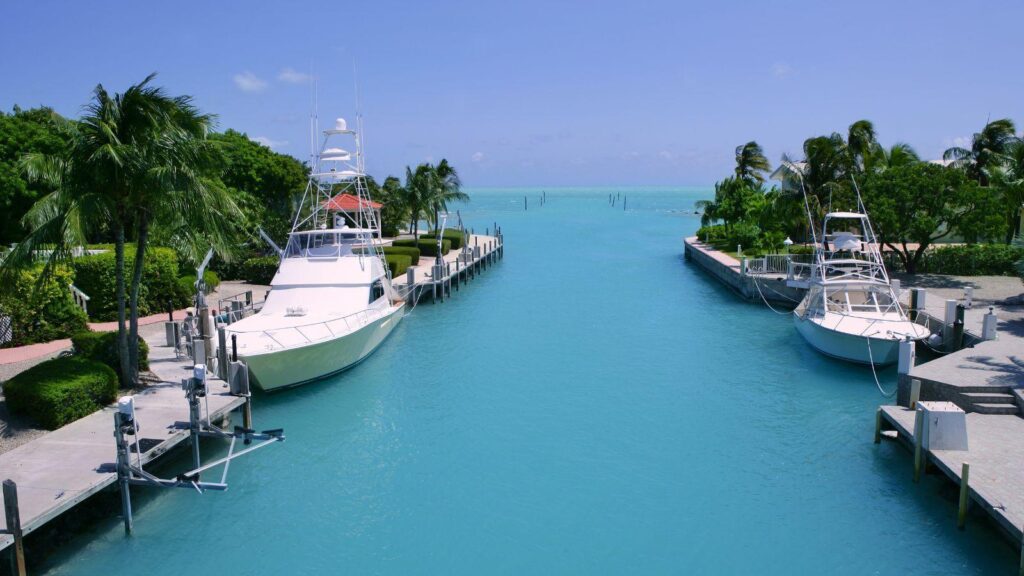
If you spend any real time around boats, you already know how much a well-organized dock and a properly outfitted vessel change the way you enjoy your time on the water. The good news is that most of the upgrades that make the biggest difference — storage, access, maintenance, and gear management — are entirely within reach for anyone with basic tools and a free weekend. This guide walks you through the most practical DIY projects for boating enthusiasts who want to get more out of their dock and their boat without the cost of professional installation.
Why DIY Dock and Boat Upgrades Are Worth Your Time
There is a case to be made for professional installation in certain situations, but for most dock and vessel upgrades, the DIY approach is simply the smarter one. You know your setup better than any contractor does — the way your boat sits in the slip, where the sun hits the deck in the afternoon, and which tasks eat up the most time before and after a day out. That familiarity makes you better equipped than anyone else to solve the problems that actually slow you down.
Beyond the personal fit, the cost difference is hard to ignore. A professionally installed dock storage system can run several hundred dollars or more. Most of the same results are achievable with hardware-store materials and a few focused hours of work. The money you save on one project can fund the next one, and by the end of a season you can have a dock and vessel setup that feels genuinely dialed in.
Dock Organization Projects You Can Build This Weekend
A disorganized dock slows down every departure and every return. Gear piles up, lines get tangled, and tools go missing right when you need them most. These projects bring real order to the chaos without requiring advanced carpentry skills or a large materials budget.
1. Build a Lockable Dock Storage Box
Dock boxes are one of the most-used storage solutions on any working dock, and building your own gives you full control over the dimensions — which matters more than most people realize. A store-bought box often does not fit a specific slip layout or hold the items you actually need to store. A custom-built dock box can be sized to hold life jackets flat, fit neatly along a dock rail without blocking foot traffic, or accommodate an extension cord reel with room to spare.
Pressure-treated lumber or marine-grade plywood works best for the box body. Use stainless steel hardware throughout — hinges, screws, and a hasp lock — to hold up in saltwater or high-humidity environments. Treat the bottom with a waterproof sealant and raise it slightly on rubber feet to prevent moisture from pooling underneath the base. A coat of exterior paint on the outside keeps it looking presentable season after season.
2. Install a Wall-Mounted Gear and Equipment Rack
If your dock has a shed, a boathouse wall, or even a simple vertical post structure nearby, a wall-mounted gear rack turns unused vertical space into organized, accessible storage. A simple frame built from 2×4 lumber with notched horizontal arms holds life jackets, dock lines, fenders, and paddles off the ground and within easy reach.
The key is designing the rack around what you actually store. Measure your fenders and dock rings before cutting the arm spacings, and apply marine-grade paint or exterior sealant before mounting. A rack built for your specific gear load stays genuinely useful for years; a generic one ends up holding the wrong things in the wrong places and gets ignored after a season or two.
3. Rig a Cord and Hose Management Station
Power cords, water hoses, and air lines have a way of ending up tangled on the dock floor — a tripping hazard and a daily frustration. A wall-mounted station using commercial hose reels and a few mounting brackets solves this problem immediately. If you want to keep costs down, a DIY version using a mounted dowel rod with support brackets works just as well for lines and cords that do not need retractable tension.
Label each reel clearly so every crew member knows where things belong. That one small step is usually what separates a dock organization system that holds up from one that breaks down after a few trips out.
Access Improvements That Make a Real Difference
Getting on and off your boat should never be a safety concern or a physical struggle. These access improvements are straightforward to install and deliver noticeable results from the very first time you use them.
4. Install Boat Ladders for Safer Water Entry and Exit
Among the most practical dock upgrades you can install yourself, boat ladders rank at the top — they’re straightforward to mount, require minimal tools, and immediately improve both safety and convenience. Whether you’re rigging a ladder off the swim platform, mounting one to the dock itself, or setting up a dedicated water-entry point off the stern, the process typically involves drilling four to six mounting points, securing the ladder with marine-grade stainless hardware, and verifying clearance at the waterline.
Choosing the right ladder for your setup comes down to a few key factors:
- The distance from the waterline to the deck or dock surface
- Whether the ladder needs to fold or swing aside when the boat is underway
- Weight capacity requirements and step width for family or group use
For boats used by families with younger children on board, wide-step aluminum ladders with a grab rail make the climb far safer and easier than a basic two-rung model. The installation itself rarely takes more than an afternoon once you have the correct hardware in hand.
5. Add Non-Slip Decking to High-Traffic Areas
Wet dock boards are a genuine hazard, especially after a swim or during an afternoon rain shower. Adding non-slip decking strips or marine-grade grip tape to the highest-traffic areas — directly opposite your boat’s entry point, around dock cleats, and at ladder landings — takes less than an hour and costs very little. Pressure-sensitive grip tape designed for marine decking holds up well through UV exposure and repeated wetting cycles.
If moisture damage has already softened the dock boards in key spots, replace those boards and seal the surface before applying grip tape. The extra prep work makes the fix last significantly longer and keeps the area safe through the full season.
Setting Up a Dockside Boat Maintenance Station
Routine maintenance gets done more often when you have a proper place to do it. A dedicated maintenance station on your dock or in an adjacent boathouse reduces friction and makes it far easier to stay on top of what your boat needs between outings and between seasons.
6. Build a Dockside Wash-Down Station
A wash-down station does not need to be complicated to be effective. A functional setup for a home dock typically needs just a few components:
- A dedicated water supply line with a shutoff valve at the dock
- A spray nozzle or adjustable hose head for rinsing
- A slatted drain platform so rinse water drains rather than pools
- Wall-mounted hooks for brushes, soap dispensers, and drying towels
With those pieces in place, build a simple wash platform using deck boards with small gaps between them. This keeps the surface from becoming slippery and protects the dock from accumulated salt and grime. If you are washing down saltwater boats on a regular basis, add a T-valve to the water line so you can also connect an outboard engine flushing attachment. Flushing a motor while washing the hull saves time and ensures neither task gets skipped during a busy end-of-day routine.
7. Create a Parts and Tools Organizer
A wall-mounted pegboard station inside a dock shed or boathouse is one of the fastest ways to put your most-used tools and parts within reach when you need them. Outline each tool’s silhouette on the pegboard with a marker so items always return to the right spot. Add a small shelf at the base of the board for battery chargers, spare spark plugs, fuses, and a basic marine first aid kit.
Keeping this station stocked and organized is straightforward when you treat it the same way you would a workshop — nothing leaves without being returned. A laminated pre-season inspection checklist mounted beside the pegboard makes the entire setup genuinely useful from the first outing of the year to the last haul-out of fall.
Storage Rack Projects for Your Vessel
The boat itself offers plenty of opportunity for smart, purpose-built storage. These projects keep gear secure while underway and easy to access when you are at anchor or tied up at the dock.
8. Build Custom Rod Holders
Dedicated rod holders built to fit your boat’s rail size and your specific rod diameters make fishing more efficient and protect your gear from bouncing loose while underway. PVC pipe rod holders mounted to a starboard rail board are an accessible starting project — cut the pipe to length, drill drain holes at the base, and secure the board to the rail with stainless clamps. For a cleaner, more finished look, teak rod holder blocks with angled tube cuts can be varnished and mounted flush against any gunnel.
The most important spec to nail is the angle. A holder leaning too far back leaves rods rattling at speed, while one sitting too vertical makes it awkward to deploy and retrieve the rod quickly when a fish is on. Test the angle before committing to permanent mounting and adjust accordingly.
9. Install Under-Seat Storage Trays
The space beneath bench seats and bow cushions on most fiberglass boats is poorly used by default. Building simple marine-grade plywood trays sized to slide into those cavities gives you organized, easily accessible storage for items you reach for regularly — snorkel gear, dock lines, emergency tools, or provisions. Line each tray with non-slip rubber mat to keep contents from shifting underway.
For a cleaner finish, router a hand-hold cutout into the front edge of each tray. It pulls out smoothly without a separate handle getting in the way, and it keeps the compartment looking intentional rather than improvised.
Conclusion
A well-organized dock and a thoughtfully outfitted boat are the kinds of improvements that pay off every single time you head out on the water. The projects covered in this guide are practical, affordable, and well within reach for any boating enthusiast who is comfortable with basic tools. Start with the upgrades that solve your most immediate frustrations — whether that is tangled dock lines, a slippery entry point, or a vessel storage setup that never quite has what you need — and build from there. The work you put in between seasons becomes the reason your next time on the water runs smoother from the moment you leave the dock.