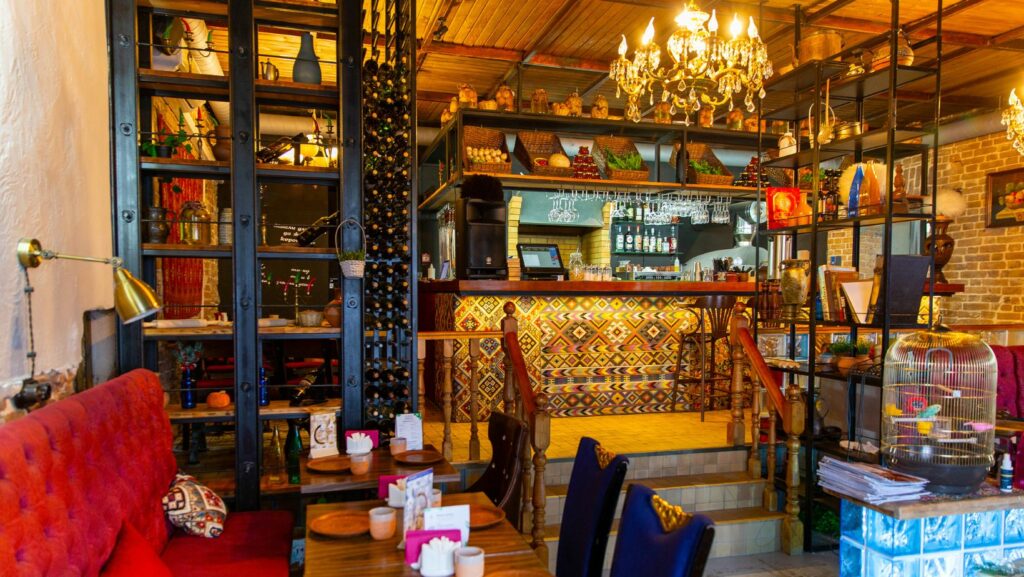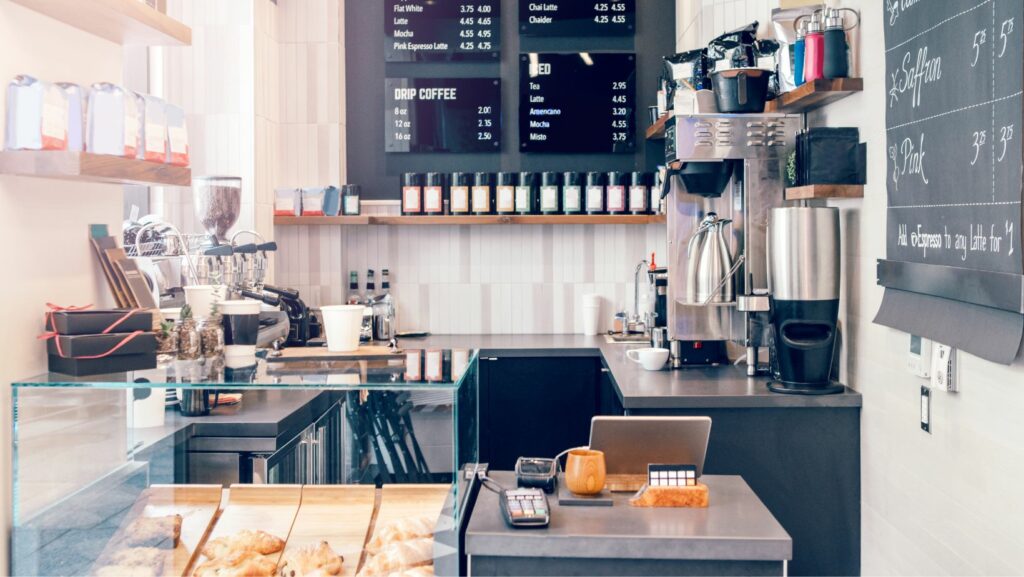
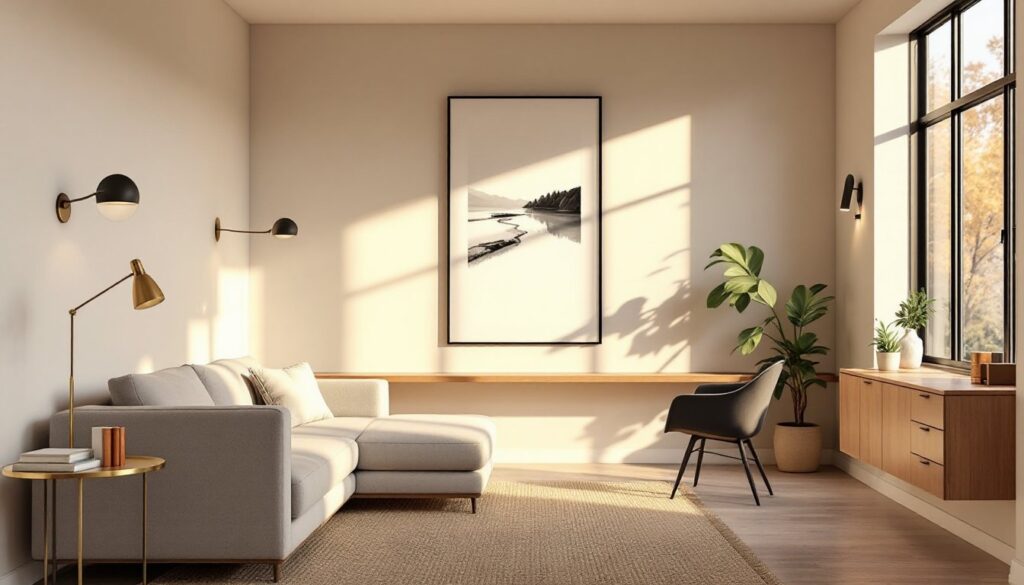
Small boutique interior design challenges designers and homeowners to maximize impact in tight square footage. Unlike sprawling commercial spaces, a boutique interior demands intentionality, every piece must earn its place, and wasted space becomes a costly mistake. The goal isn’t to cram more in: it’s to curate fewer, better choices that elevate the entire room. Whether designing a compact retail shop, a small studio apartment, or an intimate home office, the principles of boutique design focus on luxury, functionality, and cohesion. This guide walks through practical strategies for creating sophisticated, magazine-worthy spaces without the sprawl or the contractor fees.
Key Takeaways
- Small boutique interior design succeeds by prioritizing quality over quantity, ensuring every piece serves both form and function while maintaining visual cohesion.
- Optimize layout and traffic flow using vertical space, multifunctional furniture, and strategic anchor placement to make compact rooms feel larger and more intentional.
- Choose a limited color palette with neutral bases and 2–3 accent colors, layering varied textures and authentic materials like real wood and natural stone to create sophistication without clutter.
- Implement three-layer lighting (ambient, task, and accent) with warm color temperatures and dimmable controls to elevate the entire space and establish a luxurious atmosphere.
- Establish a clear design direction early—whether inspired by mood boards, eras, or materials—and apply it consistently across finishes, art, and textiles to create a curated, magazine-worthy boutique interior.
Understanding Boutique Interior Design Principles
Boutique interior design prioritizes quality, restraint, and intentional curation. Unlike maximalist or eclectic approaches, boutique design embraces negative space and says “no” to items that don’t serve both form and function.
The core philosophy centers on luxury through minimalism. A boutique space feels upscale because every detail, from hardware finishes to paint sheen, reflects conscious choice. Clutter, even beautiful clutter, undermines this perception. Think of a high-end boutique hotel room or a luxury retail shop: you notice what’s there, not what’s missing.
Second, boutique interiors prioritize craftsmanship and materiality. Real wood beats veneer. Solid brass beats painted plastic. Natural fibers beat synthetic. These materials age gracefully and communicate quality without shouting about price tags. This doesn’t mean everything must be expensive, it means choosing materials that feel good, look intentional, and will hold up over time.
Third, personal narrative matters. Boutique spaces tell a specific story. Whether curated around a color palette, a design era, a client’s profession, or a travel inspiration, the room should feel like it belongs to someone with taste, not a showroom or a hodgepodge of unrelated finds.
Space Planning and Layout Optimization
In a small boutique interior, layout is everything. Poor planning wastes precious square footage: smart planning makes the space feel larger and more functional than it actually is.
Start with traffic flow. Map the natural path people take through the room. Is the entry clear? Can someone reach a desk, window, or bathroom without awkward maneuvering? A cramped, cluttered traffic path makes a space feel instantly smaller. Conversely, an unobstructed, logical flow creates an illusion of spaciousness.
Next, use vertical space aggressively. Install floor-to-ceiling shelving, wall-mounted storage, or tall bookcases. This draws the eye upward, making ceilings feel higher. Floating shelves save floor space while providing storage and display: they’re particularly effective in retail boutiques or home offices where wall real estate is precious.
Multifunctional furniture is non-negotiable in tight quarters. An ottoman with hidden storage, a bed with drawers underneath, or a console table that doubles as a desk keeps the room uncluttered while handling multiple needs. But, avoid buying multifunctional pieces that do nothing well, the form and primary function should feel natural, not like a compromise.
Consider anchor placement carefully. In small rooms, floating furniture in the center wastes visual real estate. Instead, anchor pieces against walls, creating defined zones (work zone, seating area, storage wall). Even in a single room, implied zones make the space feel more intentional and less crowded.
Color, Texture, and Material Selection
Color strategy in small boutique interiors should balance visual coherence with personality. A limited palette makes spaces feel calm and curated: too many colors fragment attention and make rooms feel chaotic.
The safest approach uses a neutral base, soft whites, warm grays, or muted beiges on walls and large surfaces, paired with 2–3 accent colors drawn from materials, art, or textiles. This creates visual breathing room while allowing personality to emerge through art, cushions, and smaller pieces. Boutique spaces often use jewel tones (deep emerald, navy, or terracotta) as accents, which feel luxe without overwhelming.
Texture is the secret weapon in small spaces. Varied textures, a linen sofa, a wool area rug, silk curtains, raw wood shelving, brushed brass fixtures, create visual interest without relying on color. Monotone rooms feel flat: textured rooms feel sophisticated. Layer materials intentionally: matte and shiny, rough and smooth, natural and refined.
Material authenticity matters. Real wood warms a space: genuine leather ages beautifully: natural stone (marble, slate, granite) reads as upscale. These materials also work harder visually, a single marble shelf or leather desk does more for a room’s ambiance than ten plastic decorative items. Focus budgets on materials that will show and touch frequently. Save cost where possible (painted plywood backing for shelves, laminate counters in hidden zones) but never on visible surfaces.
Lighting Design for Ambiance and Function
Lighting makes or breaks a boutique interior. Poor lighting cheapens a space instantly: layered, thoughtful lighting elevates even modest budgets.
Start with three light layers: ambient (overall room brightness), task (focused lighting for work or reading), and accent (highlighting art or architectural features). In small spaces, each layer should serve multiple purposes. A dimmable pendant over a desk provides task lighting: dimmed, it becomes ambient lighting for the whole room. Wall sconces flanking a mirror deliver task light for grooming but also add ambient glow at night.
Warm color temperature (2700K or lower) feels luxurious and residential, while cooler temps (4000K+) feel clinical. Choose warm LED bulbs throughout boutique spaces. They’re energy-efficient and won’t make a curated room feel sterile.
Avoid harsh overhead fluorescent fixtures. If the space has an existing ceiling fixture, replace it with a dimmer switch and quality bulb, or supplement it with table and wall lighting that you can control independently. Track lighting also works well in small retail boutiques, allowing you to spotlight displays without taking up floor or wall space.
Accent lighting is worth the effort. A small picture light above artwork, LED strips behind floating shelves, or a subtle uplighter in a corner adds visual depth and makes the space feel intentionally designed, not just “lit.”
Furniture and Decor: Quality Over Quantity
In boutique design, fewer, better pieces beat many mediocre ones. This applies equally to functional furniture and decorative objects.
Select statement pieces carefully. A beautiful sofa, a substantial desk, or a striking shelving unit becomes the room’s anchor. Splurge on these items, they’re used daily and heavily visible. Support them with simpler, less expensive pieces. One expensive chandelier beats five cheap light fixtures: one solid wood table beats a set of plastic side tables.
For decorative objects, follow the rule of curation: if it doesn’t spark joy or serve purpose, remove it. Boutique spaces display fewer items but show them off properly. Instead of crowding a shelf with ten decorative pieces, place three carefully chosen items with breathing room around them. This approach paradoxically makes displays feel richer and more intentional.
Scale matters enormously in small rooms. Oversized furniture overwhelms: undersized furniture looks fussy. An 8-foot sofa in a 10-by-12 room is a mistake: a 6-foot sectional or a loveseat with an adjacent chair works better. Similarly, small-scale accessories (slender-legged tables, compact stools) feel less visually heavy than bulky alternatives.
Consistency in style keeps rooms coherent. If mixing eras (mid-century modern with contemporary), do it intentionally around a theme, say, natural materials and clean lines, rather than random eclecticism. Boutique spaces often succeed by committing to a specific aesthetic language (Scandinavian, industrial, transitional, etc.) and applying it consistently.
Curating a Cohesive Aesthetic
A cohesive aesthetic is what transforms a small room from cramped to curated. Cohesion means every piece, furniture, art, textiles, hardware, speaks the same visual language.
Establish a design direction early. This might be inspired by a mood board, a color palette, a material theme (all-natural materials, industrial metals), or a specific design movement. Write it down. When shopping or deciding on a new piece, ask: “Does this fit the story?” Items that don’t belong, even if beautiful, should be passed over.
Consistency in finishes amplifies cohesion. If the room leans modern, choose consistent hardware (all brushed nickel, all matte black). If it’s transitional or traditional, brass or oil-rubbed bronze creates warmth. Mixing finishes, brass, chrome, and bronze in one small room, fragments the visual field.
Art and textiles are curation tools. They reinforce color, introduce pattern, and reflect personality without taking up physical space. A single large artwork or a curated gallery wall (3–5 pieces with intentional spacing) feels more boutique than scattered small frames. Similarly, textiles, throw pillows, a rug, curtains, should pull from the same color and material story.
Rotate seasonally or intentionally. One advantage of boutique spaces: a few well-chosen accessories can be swapped, refreshed, or reframed to keep the space feeling alive without major overhaul. This keeps design costs down and keeps the space from feeling static over time.
Conclusion
Small boutique interior design succeeds through intentional curation, quality over quantity, and commitment to a cohesive aesthetic. There’s no trick to making a small space feel luxurious, only thoughtful choices made consistently. Start by defining your design direction, prioritize high-impact materials and pieces, optimize layout for flow, and resist the urge to fill every surface. The result is a space that feels intentional, spacious, and genuinely lived-in, proving that constraint sparks creativity and sophistication.