
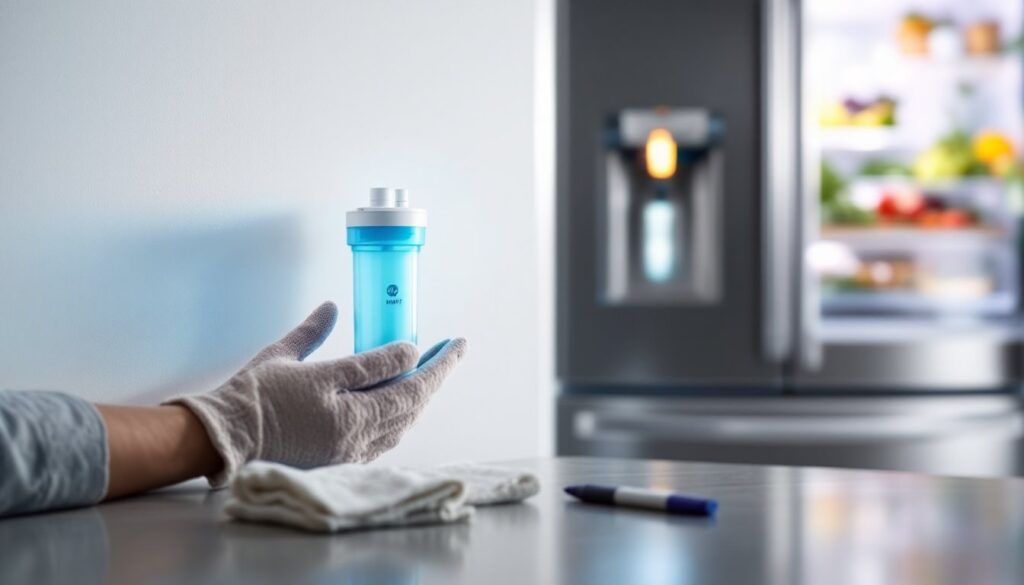
A clean water supply from the refrigerator isn’t a luxury, it’s a basic expectation. The GE MWF refrigerator water filter is the unsung hero keeping tap water safe and ice cubes clear. But like any filter, it doesn’t last forever, and using an expired or worn-out cartridge defeats the purpose. Whether someone is replacing their filter for the first time or troubleshooting poor water quality, understanding what the MWF does, when to replace it, and how to pick the right option saves money and headaches. This guide covers everything needed to keep refrigerator water fresh and the ice maker running smoothly.
Key Takeaways
- The GE MWF refrigerator water filter removes chlorine, sediment, and particulates but should be replaced every six months or after 300 gallons of water to maintain effectiveness and water quality.
- Installing a GE MWF filter takes about 10 minutes with no special tools—simply locate the housing, turn off the water supply, rotate the cartridge counterclockwise, and install the new one by rotating clockwise until snug.
- A clogged or expired filter restricts water flow to the ice maker, forcing it to work harder and potentially reducing appliance lifespan, making regular replacement an affordable preventive maintenance step.
- The GE MWF fits most GE French-door and side-by-side models from the mid-1990s onward, but always check the model number before ordering to avoid buying incompatible variants like MWFA or MWFP.
- Original GE filters typically cost $40–$60 with manufacturer backing, while third-party alternatives range from $20–$35; verify NSF certification (NSF/ANSI 42) on aftermarket options to ensure reliable contaminant removal.
- Mark the installation date on the cartridge with a permanent marker or consider automatic subscription services to simplify tracking replacement schedules and avoid using exhausted filters.
What Is the GE MWF Water Filter and Which Refrigerators Does It Fit?
The GE MWF is a replacement water filter cartridge that connects directly to GE refrigerators to remove contaminants from incoming tap water. It’s a sediment, chlorine, and particulate filter, not a reverse osmosis system, so it won’t remove dissolved minerals or salt, but it handles the most common taste and odor problems.
The MWF fits most GE French-door and side-by-side models manufactured from the mid-1990s onward, including popular lines like Profile, Café, and standard French Door units. The cartridge sits behind the refrigerator’s kickplate or inside the fresh food compartment, depending on the model. Check the owner’s manual or look for a small filter housing inside the fridge, if it’s there, the MWF or a similar GE model likely fits.
Dimensions matter: The MWF is roughly 4.5 inches in diameter and 6 inches tall, so it needs space. If the old filter came out easily, the new one will too. Never force it, misaligned cartridges leak and waste water. The snap-fit mechanism is straightforward and requires no tools.
Why Replace Your GE MWF Filter Regularly
Water Quality and Contaminant Removal
An active MWF filter uses activated carbon and resin to grab chlorine, particulates, sediment, and some chemicals. Over six months or 300 gallons of water, whichever comes first, the filter material becomes saturated and stops working. Continuing to use an exhausted filter is like not changing it at all: water just passes through unchanged.
Tap water that tastes metallic, musty, or off isn’t always a filter problem, but a fresh MWF cartridge often improves it noticeably. If ice cubes smell weird or taste off, the filter is usually the culprit. Ignoring this isn’t just unpleasant, it can indicate sediment or bacteria buildup that affects the whole water system.
Ice Maker Performance and Appliance Longevity
A clogged filter restricts water flow to the ice maker and dispenser. Low pressure forces the ice maker to work harder, cycle longer, and produce cloudy or slower ice. Over time, this extra strain stresses the water valve and compressor, shortening the refrigerator’s lifespan.
Regular filter changes, every six months or annually, depending on water quality and usage, keep the water line clear, the ice maker happy, and the whole appliance running efficiently. It’s one of the easiest, cheapest preventive maintenance steps a homeowner can take.
How to Install and Replace Your MWF Filter in Minutes
Replacing a GE MWF is straightforward and requires no special tools. Here’s the step-by-step process:
-
Locate the filter housing. Open the refrigerator and look inside the compartment or behind the kickplate at the bottom front. The filter cartridge sits in a plastic housing marked with “Filter” or an icon.
-
Turn off the water supply. Shut the water valve under the sink (or the main shutoff if no valve exists). This prevents accidental water sprays or pressure drops during the change.
-
Depressurize the line. Dispense a few ounces of water from the fridge dispenser to release pressure in the line. The cartridge will come out easier and cleaner.
-
Remove the old filter. Rotate the cartridge counterclockwise by hand, no wrench needed. It’ll pop out with a soft hiss. Have a towel handy in case of residual water.
-
Clean the housing. Rinse the inside of the filter socket with clean water. Any debris left inside can be pulled into the new cartridge.
-
Install the new MWF. Align the cartridge and push it in straight, then rotate clockwise until snug. Don’t over-tighten: hand-tight is correct.
-
Flush the system. Dispense 2–3 gallons of water from the ice and water dispensers to remove air and flush carbon fines from the new filter. The first few cups may look slightly gray or taste odd, that’s normal.
-
Restore water supply. Turn the valve back on and check for leaks around the filter housing. Done.
The whole job takes about 10 minutes. Mark the installation date on the cartridge with a permanent marker so it’s easy to remember when replacement is due. Some refrigerators have a filter-replacement alert light: if it lights up before six months, your water may be particularly hard or sediment-heavy, consider a shorter replacement schedule.
Choosing Between Original GE Filters and Third-Party Alternatives
GE MWF original cartridges are the default choice and come with the assurance of OEM (original equipment manufacturer) quality control. They’re widely available and carry a predictable price point, typically in the $40–$60 range, though regional availability and retailer markup affect cost.
Third-party alternatives, brands like Aqua Fresh, Culligan, and store brands, often cost $20–$35 and claim to match OEM performance. Some are genuinely solid performers: others cut corners on carbon quality or housing durability. The key is checking if they meet NSF certification (NSF/ANSI 42 for chlorine and taste/odor reduction), which third-party filters should list on the package.
A practical approach: Weigh the cost difference against peace of mind and warranty coverage. OEM filters carry a manufacturer backing, while third-party filters may have limited or no recourse if they fail. For most homeowners, one or two original cartridges per year is a minor appliance cost. If water quality is particularly poor or usage is heavy, an original GE filter often pays for itself in appliance longevity.
Always check the model number on the cartridge or housing before ordering. GE also makes MWFA, MWFP, and other variants for different models, buying the wrong one means a wasted return trip.
Online retailers, big-box hardware stores, and appliance specialty shops carry both OEM and aftermarket options. Subscription services (where filters ship automatically every six months) can simplify the process and sometimes offer modest bulk discounts, so they’re worth considering if the person tends to forget renewal dates.
Conclusion
The GE MWF water filter is a small, inexpensive line of defense between tap water and the kitchen. Regular replacement, every six months or annually, keeps ice cubes clear, water tasting fresh, and the refrigerator running without strain. Installation is a five-minute job with no tools, and choosing between original and compatible aftermarket options is a straightforward cost-versus-confidence calculation. A homeowner who stays on top of filter changes will enjoy better water quality, fewer appliance service calls, and peace of mind that the ice maker and dispenser are working as designed.