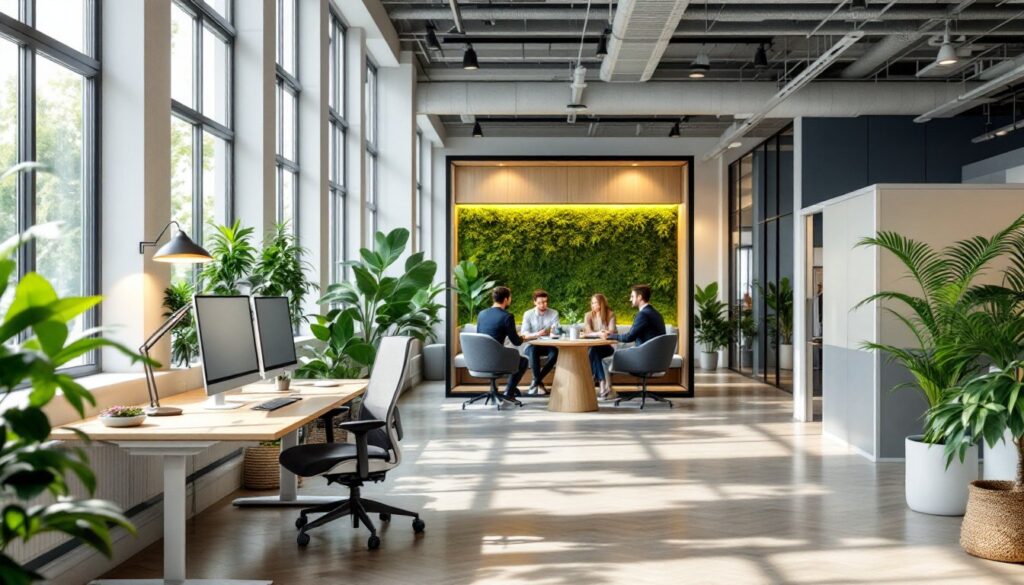
A well-designed office isn’t just about aesthetics, it’s a strategic investment in productivity, employee satisfaction, and company performance. Business office interior design has evolved far beyond cubicles and fluorescent lighting. Today’s modern workspaces balance functionality with employee well-being, creating environments where teams collaborate, focus, and thrive. Whether designing a startup’s first space or refreshing an established office, understanding core design principles helps leaders make decisions that align with business goals. This guide walks through essential elements of office interior design, from layout strategy to ergonomics, lighting, and brand integration, so businesses can build workspaces that work as hard as their teams.
Key Takeaways
- Business office interior design directly impacts employee productivity, retention, and company performance by creating environments that support focus, collaboration, and well-being.
- Hybrid layout strategies combining open collaboration zones with quiet focus areas and private spaces deliver better results than pure open-plan or fully enclosed offices.
- Ergonomic essentials—including adjustable sit-stand desks, proper monitor placement, supportive chairs, and neutral wrist positioning—prevent injury and reduce fatigue during long work hours.
- Strategic color selection and layered lighting design, especially full-spectrum LEDs and natural light, enhance mood, reduce eye strain, and improve focus across all work areas.
- Incorporating company culture, values, and employee input into office interiors increases buy-in, strengthens belonging, and communicates brand identity to clients and partners.
- Sustainable materials, flexible furniture systems, and energy-efficient infrastructure reduce operating costs while supporting hybrid work arrangements and future business growth.
Why Office Design Matters for Business Success
Office design directly influences employee productivity, retention, and company culture. Poor workspace design, cramped desks, inadequate lighting, excessive noise, creates stress and reduces focus. In contrast, thoughtfully designed offices signal to employees that their comfort and work matter, which improves morale and reduces turnover costs.
Research consistently shows that environmental factors affect cognitive performance. A cluttered, poorly lit, or uncomfortable workspace drains mental energy before any work begins. Conversely, spaces that support both focus and collaboration enable teams to work more effectively. Business office interior design also communicates brand identity: clients and partners form impressions within seconds of entering a space, making design a powerful extension of marketing.
Beyond individual productivity, office design impacts the bottom line. Companies investing in quality workspaces report higher employee satisfaction scores and better recruitment success. When employees feel their workspace reflects company values, they’re more likely to stay, reducing costly hiring and training cycles. For growing companies, strategic office design supports scaling teams without losing culture or efficiency.
Creating Productive Workspaces With Intentional Layouts
Layout is the skeleton of office design. Before selecting furniture or paint colors, businesses need a clear spatial strategy that supports their workflow and communication patterns.
Open Plans vs. Private Spaces
Open office layouts promote spontaneous collaboration and save floor space, making them attractive for startups and creative teams. But, pure open plans often backfire, constant visual and auditory distractions reduce focus-intensive work. Many teams need a mix: open collaboration zones paired with quiet focus areas or phone booths for concentrated tasks.
The hybrid approach works best for most modern offices. Designate zones by function: an open area for informal meetings and brainstorming, quiet desks or pods for heads-down work, and enclosed conference rooms for client calls. This flexibility lets employees choose their environment based on task type. A developer needs focus: a sales team member benefits from visibility and proximity to peers.
Consider traffic flow when planning layouts. Place high-traffic areas (entrances, restrooms, break rooms) away from focus zones. Position manager offices or collaborative hubs centrally to support team connection without creating noise distractions at work stations. Use visual planning tools, floor plans, mockups, before committing to furniture or construction.
Ergonomics and Desk Setup Essentials
Ergonomic design prevents injury, reduces fatigue, and keeps teams comfortable during long work hours. Poor desk setup causes back pain, wrist strain, and headaches, issues that tank productivity and increase sick days.
Key ergonomic specs for office workstations:
- Desk height: 28–30 inches (standard). Adjustable or sit-stand desks accommodate diverse body types and reduce strain from static posture.
- Monitor placement: Top of screen at or slightly below eye level, 20–26 inches from the user’s face. This prevents neck strain.
- Chair support: Lumbar support, adjustable seat height, and armrests reduce back and shoulder strain. A quality office chair is a non-negotiable investment.
- Keyboard and mouse: Positioned so elbows are at 90 degrees, wrists neutral. Ergonomic keyboards or trackpads reduce repetitive strain.
Standing desks and activity-based working (hot-desking) are trends, but standing all day is also fatiguing. Sit-stand desks or regular desk changes throughout the day offer the best balance. Encourage movement and posture changes, bodies aren’t designed for 8-hour static positions.
Provide footrests, monitor stands, and desk organizers as standard. These low-cost items prevent employees from improvising with books or boxes, which often creates poor ergonomic positions. Include a stretching or movement area in office interiors: brief activity breaks boost focus and prevent repetitive strain injuries.
Color Psychology and Lighting Design
Color and light profoundly affect mood, focus, and energy levels. Strategic choices enhance both aesthetics and function.
Color selection: Blues and greens promote calm and focus, making them ideal for offices requiring deep concentration. Warm whites and soft grays create welcoming, professional environments. Accent colors, used sparingly on feature walls or in break areas, inject brand personality without overwhelming. Avoid overly bright or saturated colors in work areas: they cause eye strain and visual fatigue. Reserve bold colors for break rooms or creative spaces where stimulation benefits collaboration.
Lighting design is critical and often overlooked. Poor lighting causes headaches, eye strain, and energy crashes. Natural light is ideal, it regulates circadian rhythms, boosts mood, and reduces artificial lighting costs. Position desks near windows when possible. For interior spaces without natural light, use full-spectrum LED panels that mimic daylight (5000K color temperature). Avoid harsh overhead fluorescents alone: layer lighting with task lights at desks and ambient fixtures to create comfortable, adjustable environments.
Consider light levels per task: focus areas need 50–75 foot-candles: collaborative spaces, 30–50. Use dimmers or adjustable fixtures so employees control their immediate lighting. Poor lighting isn’t just uncomfortable, it signals an underinvestment in employee well-being, affecting morale and recruitment.
Incorporating Branding and Company Culture Into Your Interior
Office interiors are a tangible expression of company values and brand identity. They communicate culture to employees and create lasting impressions on clients.
Start with brand strategy. If the company emphasizes innovation, the office might feature open layouts, modern materials, and flexible spaces. For professional services, classic materials, refined color palettes, and private meeting areas build trust. Mission-driven companies can visually reinforce values through biophilic design (plants and natural elements) or sustainability features.
Incorporate company history, achievements, and team culture through thoughtful details. Gallery walls, award displays, or employee spotlights create belonging and pride. Break rooms can reflect company personality, local art, company colors, or recreational elements (ping-pong, games), without compromising professionalism.
When designing business office interiors, involve employees in decisions. Surveys about preferred break room features, color schemes, or furniture styles increase buy-in and ensure the space serves actual users, not just leadership vision. Small touches, branded coffee mugs, company values on signage, team photos, reinforce culture subtly and authentically. The goal is an environment that feels intentional and authentic, not like a sterile corporate showroom.
Sustainable Materials and Future-Proofing Your Office
Sustainable office design reduces environmental impact, lowers operating costs, and appeals to employees and clients who value responsibility.
Material choices matter. Select FSC-certified wood, recycled steel, and low-VOC (volatile organic compound) paints and finishes. These reduce toxic off-gassing and support ethical sourcing. Durable, high-quality materials cost more upfront but outlast cheap alternatives, reducing replacement waste and long-term costs.
Future-proofing is practical strategy, not trend. Flexible furniture systems allow layout changes as teams grow or work patterns shift. Modular desks, removable partitions, and adjustable storage accommodate evolving needs without costly renovations. Robust infrastructure, ample power outlets, data cables, and HVAC zoning, supports new technologies and hybrid work arrangements.
Energy efficiency in office design includes LED lighting, smart thermostats, and proper insulation. Natural ventilation and green plants improve air quality. Biophilic design, incorporating nature through plants, natural materials, and views, boosts well-being and reduces energy use for climate control.
Investing in sustainable, adaptable office interiors isn’t altruistic, it’s sound business. Lower utility costs, reduced turnover, and positive brand perception justify the upfront investment. Employees increasingly expect employers to demonstrate environmental and social responsibility: workspace design is a visible, daily statement.
Building a Workspace That Works
Modern business office interior design balances multiple priorities: productivity, employee well-being, brand authenticity, and sustainability. Success comes from thoughtful planning, understanding how layout, ergonomics, color, lighting, and culture work together. Engage employees, invest in quality fundamentals (ergonomic furniture, proper lighting, natural materials), and build flexibility into systems so spaces evolve with business needs. A well-designed office isn’t a luxury: it’s strategic infrastructure that drives performance and retention.