
Interior design can make any space more pleasant to live or work in. Good design improves layout, function, and style. Luxury interior design goes further. It combines strong design principles with craftsmanship, premium materials, and a deep focus on detail.
While many homes and spaces are well-designed, premium interiors feel different the moment you enter them. They show careful planning, expert execution, and a level of quality that stands apart.
Design That Begins With a Vision
Every good interior design project in Austin starts with an idea. Designers think about how a space will be used and how it should look. They consider furniture placement, lighting, color palettes, and storage.
Luxury interior design begins in a similar way, but the planning is far more detailed. Instead of working with general ideas, designers create a full design vision that guides every choice in the space.
This vision connects architecture, furniture, materials, and decor into one unified concept. Every item must support that concept. Nothing is random or added just to fill a gap.
Tailored Design Rather Than Templates
Many good interiors rely on popular styles, and many designs often follow familiar layouts and material choices.
Luxury interior design rarely works from templates. Each project is tailored to the client and the property. Designers study how the client lives, entertains, and moves through their home.
From there, they develop custom layouts, built-in features, and unique furniture selections that suit the space. The result feels personal rather than predictable.
Quality Materials That Transform a Space
Materials play a major role in separating good design from luxury interior design. A room may look attractive in photos, but the real experience comes from the materials used throughout the space.
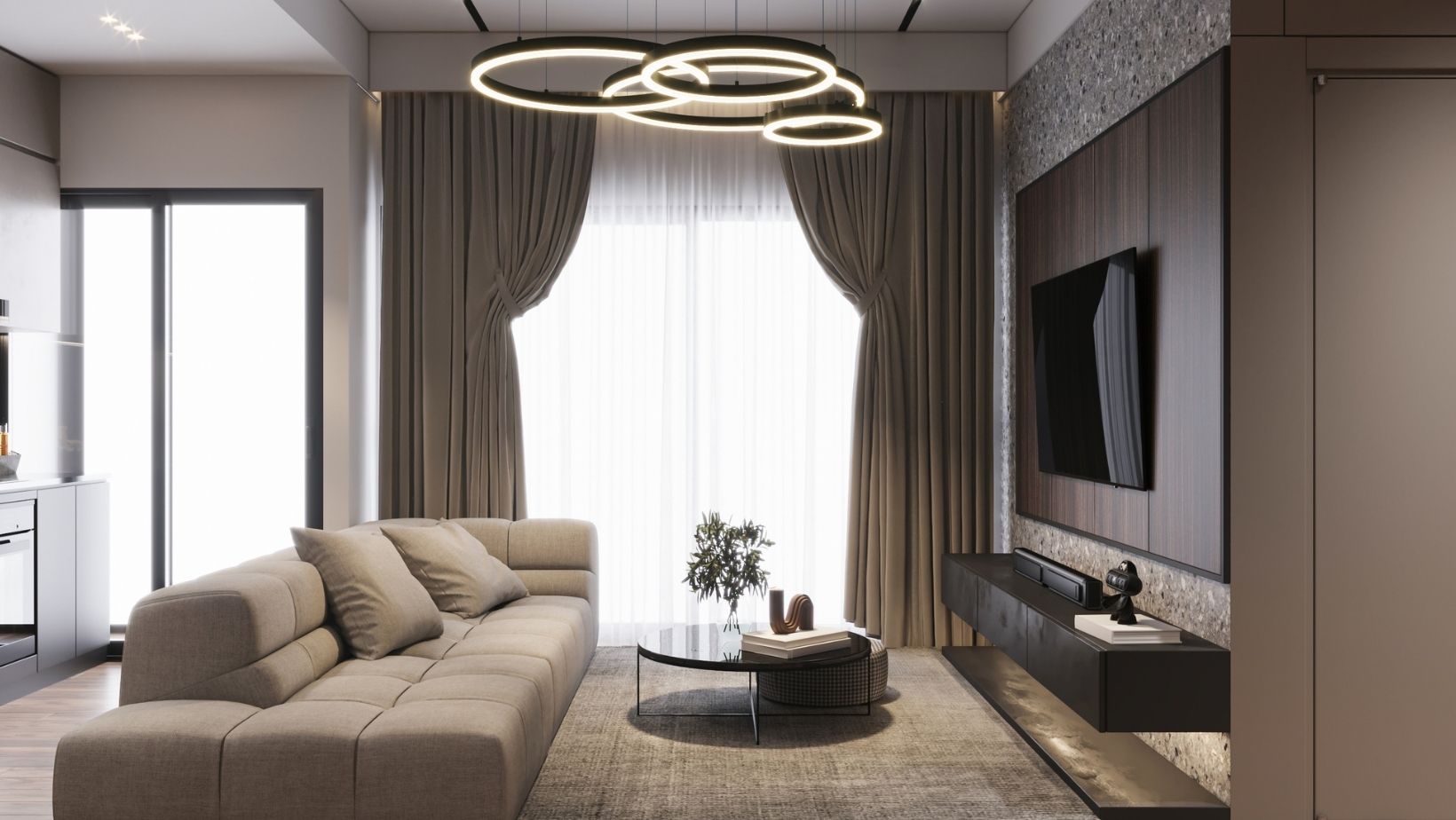
{Premium interiors use higher-grade materials that offer texture, depth, and durability. Natural stone, hardwood, handcrafted tile, and premium fabrics appear often in these environments.
These materials not only look better, they also age well. Over time, they develop character rather than wear.
Craftsmanship and Attention to Detail
Luxury interior design is also defined by how materials are installed and finished. Precision matters.
Cabinetry may be custom-built rather than stock. Upholstery is often hand-finished. Lighting fixtures are selected for both design and engineering quality.
Small details receive the same attention as large features. Trim work, hardware, and joinery are carefully chosen so they complement the entire design.
These details may seem subtle at first, but they create the polished feel people associate with premium spaces.
A Strong Focus on Balance and Proportion
Good design creates rooms that function well and feel comfortable. Furniture fits the room, traffic flow makes sense, and lighting serves its purpose.
Luxury interior design takes proportion to another level. Designers study how every element relates to the scale of the room.
Large rooms may include statement lighting, oversized artwork, or custom furniture pieces that balance the space. Smaller areas are arranged so they feel refined rather than crowded.
Lighting as a Design Feature
Lighting is one of the most powerful tools in luxury interiors. Instead of relying on a few ceiling fixtures, designers layer multiple light sources throughout the space.
Ambient lighting sets the base mood. Task lighting supports daily activities. Accent lighting highlights art, architectural details, and textured materials.
In luxury interior design, lighting fixtures are often design pieces themselves. Sculptural pendants, handcrafted sconces, and elegant chandeliers contribute to the overall aesthetic.
Custom Elements That Elevate the Interior
One of the most noticeable differences between good design and luxury interior design is the use of custom features.
Custom furniture, built-in shelving, wall paneling, and millwork allow designers to shape a space with precision. These features often match the architecture of the home and create a cohesive look throughout the interior.
Instead of choosing items from large retail catalogs, premium designers work with artisans, fabricators, and specialty manufacturers.
Art, Decor, and Layered Styling
Decor also plays a major role in defining luxury spaces. Artwork, sculptures, and decorative objects are chosen with care.
Rather than filling shelves with random accessories, designers layer meaningful pieces that complement the color palette and style of the room.
Textiles add another layer. Rugs, curtains, and upholstery fabrics introduce softness, contrast, and depth. When selected carefully, these elements tie the entire room together.
The Experience of Living in a Luxury Interior
The final difference between good design and premium interior design is how the space feels to live in.
Luxury interiors are built around comfort and lifestyle. Kitchens support entertaining. Living areas invite relaxation. Bedrooms become quiet retreats.
Especially when opting for full house interior design services, every element works together to create a smooth, enjoyable daily experience. Storage is discreet but practical. Furniture feels as good as it looks. Materials invite touch and use.
Luxury interior design is not simply about spending more money. It is about thoughtful design, skilled craftsmanship, and a clear vision carried through every detail of the home.