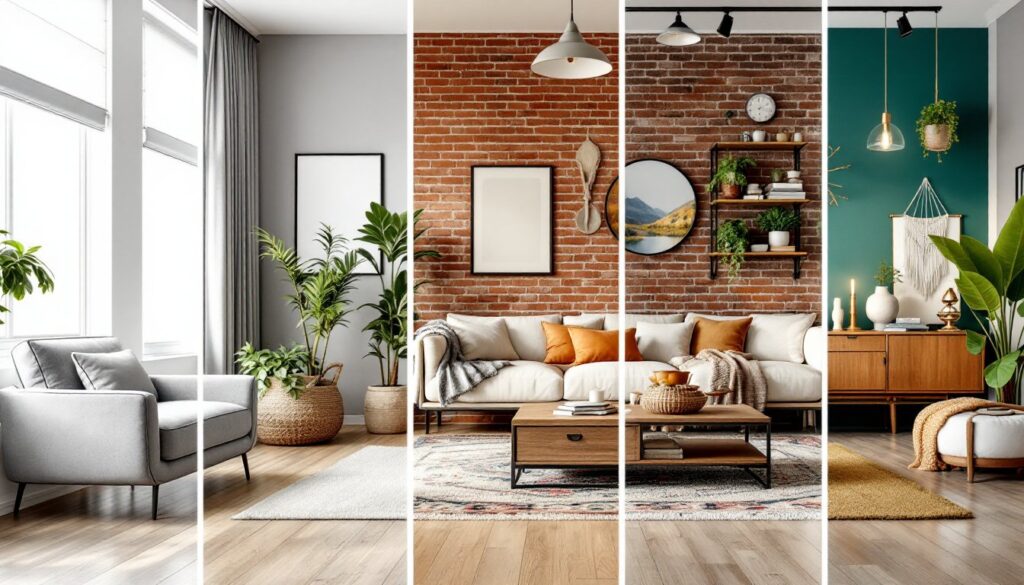
A living room is more than just a place to sit, it’s the heart of a home where family gathers and guests are welcomed. The design style you choose sets the tone for your entire space and reflects your personality. Whether someone prefers clean lines or cozy textures, there’s a living room interior design style that aligns with their lifestyle and aesthetic. In 2026, homeowners are gravitating toward styles that balance beauty with functionality, combining form with everyday livability. This guide walks through seven popular living room design styles, from minimalist to bohemian, so you can identify which direction resonates most with your vision.
Key Takeaways
- Modern minimalist living room design uses neutral palettes and clean lines to expand small spaces while reducing visual clutter and decision fatigue.
- Scandinavian design combines minimalism with warmth through natural materials like light wood and wool textiles, creating inviting spaces that feel lived-in and comfortable.
- Industrial chic celebrates exposed architectural elements like brick and concrete while mixing metal and reclaimed wood furniture for authentic, durable style.
- Bohemian living room interior design styles embrace global influences, layered textiles, and collected treasures without strict matching rules, requiring confidence in mixing patterns and colors.
- Traditional and transitional styles offer sophistication through symmetrical arrangements and quality craftsmanship, with transitional being the most flexible for bridging modern and classic preferences.
- The best living room design reflects how you actually live—identify which palette and principles resonate with your lifestyle before committing to a specific style direction.
Modern Minimalist Living Rooms
Modern minimalism strips a room down to essentials: clean lines, neutral palettes, and purposeful furniture placement. The goal isn’t sparse emptiness, it’s intentional simplicity where every piece earns its place.
Start with a neutral foundation. Walls typically feature soft whites, grays, or warm beiges. Flooring can be polished concrete, light wood, or light-colored tile. Keep window treatments minimal: simple roller shades or floor-to-ceiling curtains in solid colors work best.
Furniture should be streamlined and low-profile. A modern sectional in gray linen or a sleek sofa with slim metal legs creates the visual anchor without bulk. Storage matters here, built-in shelving or a minimalist credenza keeps clutter hidden. One or two statement pieces, like a geometric throw pillow or a single art print, add subtle personality without visual noise.
Color palette stays monochromatic or relies on black, white, and gray with occasional accent tones like deep charcoal or soft sage. Lighting is functional and architectural, think track lighting, pendant fixtures, or simple table lamps rather than ornate chandeliers.
This style works well for small living rooms because it visually expands the space and reduces decision fatigue. It’s also budget-friendly if you source quality basics rather than trendy pieces.
Scandinavian Comfort and Simplicity
Scandinavian design balances minimalism with warmth. Think of it as modern minimalism’s cozier cousin, it shares clean lines and neutral colors but emphasizes natural materials and comfort.
The foundation includes light-colored walls (whites, soft grays, pale blues) paired with light wood flooring or light-colored area rugs. This emphasis on light compensates for shorter daylight hours in Nordic climates and creates an airy, inviting feel.
Key materials are natural and tactile: solid wood furniture (typically oak or birch), wool textiles, and sheepskin throws. A sofa in light gray linen with tapered wooden legs captures the aesthetic perfectly. Layer in a chunky knit blanket, a sheepskin rug, and one or two patterned pillows with geometric or botanical prints, these add warmth without clutter.
Storages solutions are functional and beautiful: open shelving displays curated items, while credenzas or media consoles keep electronics organized. Plants are essential, greenery brings life and connects indoor spaces to nature.
Color accents are muted: soft grays, warm blacks, and natural wood tones. Occasionally a sage green, dusty blue, or warm terracotta appears in textiles or art. Lighting is warm and layered, table lamps with linen shades, pendant lights, and candles all work together.
Scandinavian design suits people who want a modern home that still feels lived-in and comfortable.
Industrial Chic Design
Industrial design celebrates raw, functional beauty drawn from warehouses, factories, and reclaimed spaces. Exposed elements become design features.
Architectural bones matter: exposed brick walls, concrete floors, exposed ceiling joists or ductwork, and tall windows are ideal. If your living room doesn’t have these bones naturally, you can introduce the aesthetic through finishes, concrete-look paint, faux brick wallpaper, or metal accents.
Furniture mixes metal and wood with minimal upholstery. A leather sofa or sectional with a steel frame is iconic. Pair it with a reclaimed wood coffee table, metal-framed shelving, or a distressed wood media console. Steel stools, wire chairs, or galvanized metal side tables add utilitarian charm.
Color palette is dark and earthy: blacks, dark grays, rust tones, and warm browns anchor the space. Walls might be exposed brick, painted concrete, or dark gray. Wood tones range from honey to deep espresso.
Lighting is architectural and visible, pendant fixtures with exposed bulbs, metal cage lights, or Edison-style lighting. Avoid anything delicate: opt for substantial, functional fixtures.
Decor emphasizes authenticity: vintage factory signs, repurposed industrial items (old machine parts as wall art), and minimalist black-and-white photography work well. Plants in metal containers add a contrast of life against hard surfaces.
Industrial design appeals to those who value authenticity, durability, and that slightly rough-around-the-edges character. It’s also flexible, you can dial up the edginess or soften it with more traditional furnishings.
Bohemian and Eclectic Aesthetics
Bohemian design embraces color, texture, and global influences without strict rules. It’s about curating a space that reflects travel, personality, and collected treasures.
Wall color can be jewel tones, deep blues, emerald greens, warm terracotta, or soft neutrals as a backdrop for patterned wallpaper or tapestries. Many bohemian spaces mix multiple wall colors in a single room for visual interest.
Textiles are the hero: a mix of patterned rugs (Persian, Moroccan, Turkish), layered throw pillows in mismatched prints and textures, and macramé wall hangings. A boho sofa might be a low platform with stacked cushions and blankets, or a traditional piece upholstered in patterned fabric. Nothing matches perfectly, and that’s intentional.
Furniture spans eras and styles, a vintage leather armchair next to a rattan pouf, wooden side tables of different heights, and eclectic seating. Woven baskets, carved wooden stools, and brass or copper accents create depth.
Plants are non-negotiable: trailing pothos in hanging macramé planters, tall palms in corners, and shelves lined with succulents. Plants aren’t accessories: they’re living décor.
Decor layers in global finds: tapestries, folk art, vintage textiles, crystals, and candlesticks. A large statement mirror with an ornate or carved wooden frame is typical. Lighting is warm and intimate, table lamps with fabric shades, string lights, and candles.
Boho works for creative people who enjoy storytelling through their space. It requires confidence to mix patterns and colors, but the payoff is a uniquely personal room.
Classic and Traditional Elegance
Traditional design draws from timeless principles: symmetry, established color schemes, and formal furniture arrangements. It’s sophisticated without feeling trendy.
Wall color is typically rich and warm: deep burgundy, forest green, warm gray, or cream. Wallpaper with classic patterns (damask, toile, stripes, florals) often covers at least one accent wall. Crown molding, wainscoting, or panel detailing adds architectural character.
Furniture is substantial and symmetrical. A formal sofa in neutral upholstery (cream, gray, or taupe) anchors the space, flanked by matching wingback chairs or rolled-arm armchairs. A coffee table in wood or marble, paired with a console table behind the sofa, creates formal balance. Dark woods (mahogany, cherry, walnut) are preferred over light finishes.
Textiles include plush area rugs (often oriental or persian styles), throw pillows with traditional patterns, and heavy drapes in solid colors or subtle patterns. Quality fabrics matter, velvet, linen, and wool convey permanence and refinement.
Decor emphasizes art, books, and heirlooms. A gallery wall of framed paintings, decorative books stacked on shelves, and a curated mantelscape create visual interest. Brass or bronze accessories, table lamps with fabric shades, and candlesticks add warmth.
Lighting includes a statement chandelier or recessed ceiling lights paired with table and floor lamps. Warm white bulbs (2700K color temperature) are essential to the inviting atmosphere.
Traditional design appeals to those who value permanence, quality craftsmanship, and classic beauty that transcends trends.
Contemporary Transitional Style
Transitional design bridges modern and traditional, it has clean lines and simple silhouettes but includes warmth, pattern, and accessible comfort. It’s the most flexible style, appealing to those who don’t want to commit fully to either extreme.
Walls use neutral tones, soft grays, warm whites, beiges, or light greiges. One accent wall in a subtle pattern or deeper tone adds interest without boldness. Trim and molding are present but simplified compared to full traditional spaces.
Furniture blends styles: a modern sectional in neutral fabric pairs with a traditional wood media console. Legs are tapered but not spindly: upholstery is clean-lined but not austere. A mix of wood tones (warm medium tones work best) and metal creates balance.
Textiles are layered but curated: patterned throw pillows, a quality area rug, and a wool or linen blanket add softness. Patterns are usually geometric or botanical rather than ornate florals.
Color accents lean toward muted jewel tones or warm earth tones: sage green, dusty blue, warm gray, or soft terracotta. These appear in pillows, art, or accessories rather than dominant furnishings.
Decor includes art, plants, and functional objects arranged thoughtfully. Lighting mixes modern fixtures (pendant lights, track lights) with traditional table lamps. The space feels current but comfortable, never cold or overly trendy.
Transitional is ideal for people building a home that’ll feel relevant in five years while remaining warm and inviting today. It’s also practical for blended households with different style preferences.
Conclusion
Your living room interior design style should reflect how you actually live, not an aspirational version of yourself. Modern minimalist appeals to those craving calm: Scandinavian suits people who want warmth without clutter: industrial draws creative, authentic types: bohemian suits global travelers and storytellers: traditional speaks to those valuing permanence: and transitional bridges multiple preferences.
Start by identifying which palette and principles resonate, then build from there. Pinterest boards, design magazines, and in-person store visits clarify your instincts. The best living room is one you’ll love living in for years to come.