
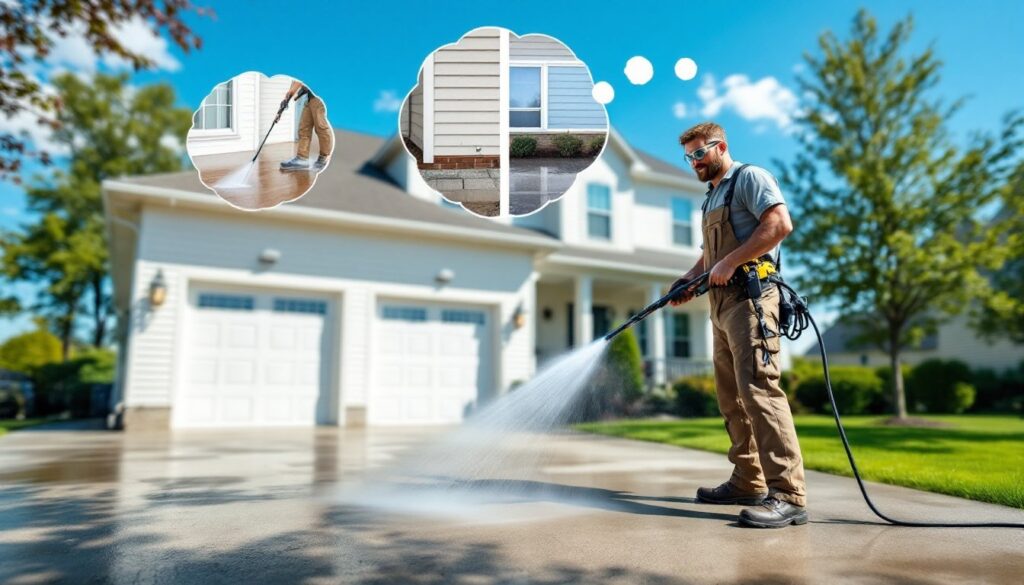
Running a pressure washing business means tackling everything from residential driveways to commercial storefronts. But one job can go sideways fast, a stray spray damages a customer’s siding, someone slips on a wet surface, or equipment breaks expensive landscaping. That’s where general liability insurance for pressure washing becomes non-negotiable. This coverage protects the business owner, not just legally but financially, when accidents happen. Without it, a single claim can wipe out months of profit or worse. The good news? Getting the right policy in 2026 is straightforward if you understand what you’re buying and why it matters.
Key Takeaways
- General liability insurance for pressure washing protects your business from costly claims related to water damage, property destruction, and slip-and-fall injuries that can occur during routine jobs.
- Most commercial clients and property managers require proof of general liability insurance before hiring, making it essential for winning larger contracts and meeting legal requirements.
- A typical small pressure washing operation should carry $1 million per occurrence and $2 million aggregate coverage, with premiums ranging from $400 to $800 annually depending on revenue, claims history, and location.
- Compare quotes from three to five insurers specializing in contractor or service industry coverage, and prioritize occurrence-based policies that protect against incidents reported after the policy period ends.
- Water infiltration, property damage, slip-and-fall injuries, and equipment damage are the most common claims in pressure washing, all covered under standard general liability policies.
- Premium costs are tax-deductible business expenses, and many insurers offer discounts for safety training or certifications through pressure washing associations, effectively reducing your annual insurance costs.
Why General Liability Insurance Is Critical for Pressure Washing Businesses
Pressure washing work carries inherent risk. The equipment operates at 2,500 to 4,000 PSI (pounds per square inch) on residential jobs and even higher on commercial sites. A customer might sue if water damage spreads to their home interior, if someone trips on a wet surface and breaks an ankle, or if the equipment damages their property. Without general liability insurance, the business owner pays these claims out of pocket, thousands of dollars that come straight from the bank account.
Most commercial clients and property managers won’t hire a pressure washer without proof of insurance. It’s a hard line for larger contracts. Even small residential jobs increasingly expect it. Beyond customer requirements, insurance protects the owner personally. If the business is sued, the policy covers legal defense costs and settlements, keeping personal assets like savings and a home safe from liability claims.
There’s also the regulatory angle. While pressure washing itself doesn’t require a license in most states, liability coverage is often mandated by local government or property owner contracts. Many municipalities require it for commercial work. Showing up without proof of insurance can mean losing the bid or facing job site closure.
Coverage Essentials: What’s Included in a Standard Policy
A standard general liability policy for pressure washing covers bodily injury (someone gets hurt), property damage (something gets broken or damaged), and medical payments. Bodily injury liability pays for injuries sustained by third parties, customers, bystanders, or employees of the property owner. Property damage liability covers accidental damage to client property, including vehicles, landscaping, painted surfaces, or structures. Medical payments coverage (often included) pays small medical expenses immediately, which can prevent lawsuits from minor injuries.
Most policies come with a per-occurrence limit (protection on each incident) and an aggregate limit (total protection across all incidents in a year). A typical small pressure washing operation might carry $1 million per occurrence and $2 million aggregate. Standard deductibles range from $500 to $1,000.
Common Claims Pressure Washers Face
Water infiltration into homes or businesses tops the list. High-pressure spray can force water past sealants, gaskets, and window frames, causing interior damage, mold, or structural issues. Property damage claims follow: broken pottery, damaged painted finishes, crushed decorative plants, or dented gutters. Slip-and-fall injuries occur when customers, neighbors, or family members step on freshly washed wet surfaces and fall. Equipment damage claims can arise if a contractor’s equipment strikes a customer’s pool equipment, AC unit, or solar panels. Each of these scenarios falls under standard general liability coverage, though the policy’s exclusions matter, careless work or failure to follow safety practices may limit recovery.
Selecting the Right Coverage Limits for Your Operation
Coverage limits depend on the scope of the business. A solo operator washing residential driveways faces lower risk than a team doing commercial storefronts and high-end residential exteriors. Most small pressure washing operations start with $1 million per occurrence and $2 million general aggregate. This threshold satisfies most private customers and small commercial contracts.
Larger operations cleaning multi-story buildings, working near water features, or servicing commercial portfolios should consider $2 million per occurrence and $4 million aggregate. This provides cushion for higher-value properties and larger potential claims.
Higher limits cost more but aren’t excessive. The jump from $1M/$2M to $2M/$4M typically adds $200 to $400 annually depending on location, claims history, and other factors. For businesses pulling in $100,000+ per year in revenue, that difference is reasonable insurance.
Also consider whether additional coverage makes sense. Pollution liability covers chemical spills if the business uses detergents or solvents. Products liability applies if selling cleaning products directly. Tools and equipment coverage (inland marine) protects expensive gear from theft or damage. Not every business needs all of these, but assessment during underwriting helps clarify which add-ons fit.
Cost Factors and What to Expect in Premiums
General liability insurance for a small pressure washing operation typically runs $400 to $800 per year for basic coverage. Mid-size operations with a few employees and higher revenue might pay $800 to $1,500 annually. Premiums depend on several factors.
Revenue and payroll are primary. Insurers calculate risk partly on business size. A solo operator with $50,000 annual revenue pays less than someone running a team with $250,000 revenue. Claims history matters significantly, operators with no prior claims get better rates than those with multiple damage or injury settlements. Location affects pricing: areas with higher litigation costs or environmental hazards pay more. Equipment type can factor in: operations using high-PSI systems or chemical treatments may see higher premiums.
Experience and training sometimes qualify for discounts. Insurers favor operators certified through pressure washing associations or who’ve completed safety training. Years in business also helps, established operators with track records pay less than startups. Shopping rates across multiple insurers typically reveals 10–20% variations on the same profile, so comparison quotes are worth the effort.
It’s worth noting that premiums are deductible as a business expense, reducing taxable income. For someone in a 25% tax bracket, a $600 annual premium effectively costs $450 after tax benefits.
How to Choose an Insurance Provider and Get Quotes
Start by identifying insurers specializing in contractor or service industry coverage. National carriers like State Farm, Allstate, and Progressive offer general liability to contractors, but their pressure washing expertise varies. Specialty carriers focused on trades, NCCI-rated insurers, contractors’ policies, or service business underwriters, often provide better rates and faster underwriting.
Gather three to five quotes before deciding. Provide consistent information: annual revenue, number of employees, specific services (residential, commercial, equipment types), and desired coverage limits. Most insurers offer online quote tools or require a brief phone call. Be honest about claims history: misrepresenting facts voids coverage when claims occur.
Compare not just premium cost but also coverage specifics. Some policies include better water damage liability than others. Read exclusions carefully, policies may exclude work at certain heights, in certain weather, or with specific chemicals. Confirm deductibles, aggregate limits, and whether additional coverages (pollution, equipment) are available and at what cost.
Check financial ratings of the insurer through AM Best or Moody’s to ensure the company can pay claims. A cheap premium means nothing if the insurer becomes insolvent. Also verify that the policy is occurrence-based (covers incidents that occur during the policy period, even if the claim arrives later) rather than claims-made (which requires reporting within the policy period). Occurrence policies offer better long-term protection for contractors.
Conclusion
General liability insurance isn’t optional for pressure washing businesses, it’s a operational essential. It protects revenue, personal assets, and reputation when accidents happen. Starting with $1 million per occurrence coverage, getting competitive quotes, and selecting a reliable insurer takes a few hours but pays dividends in peace of mind and eligibility for larger jobs. Review coverage annually as the business grows, and don’t hesitate to ask insurers about discounts for training or safety practices. The investment, typically under $1,000 per year, is small insurance against financial catastrophe.