Charlotte Lucas has established herself as a sought-after interior designer known for creating sophisticated, livable spaces that balance beauty with practicality. Her approach stands apart in an industry often consumed by trend-chasing and aesthetic excess. Instead, Lucas focuses on designing environments that genuinely work for the people living in them, spaces that reflect personality while maintaining timeless appeal. Whether renovating a single room or completely reimagining a home, her methodology offers valuable lessons for DIY enthusiasts and homeowners looking to elevate their interiors. Understanding her design principles can help you approach your own home improvement projects with intention and confidence.
Key Takeaways
- Charlotte Lucas interior design emphasizes functionality and practicality first, with aesthetic appeal layered on top to create spaces that genuinely work for how people actually live.
- Prioritize assessment over impulse shopping—identify how you use each room, then address functional problems like lighting, storage, and traffic flow before adding decorative elements.
- Invest in quality, timeless pieces with good proportions and natural materials rather than chasing trends, as well-made furniture remains relevant for decades while fashion-forward items quickly become outdated.
- Integrate functional design elements like custom built-ins, hidden storage, and properly scaled furniture to keep spaces open, uncluttered, and visually sophisticated without chaos.
- Use restraint as a design tool by removing items that don’t earn their place and building cohesion through a focused color strategy of two or three main colors per room.
- Layer ambient, task, and accent lighting intentionally throughout each space—this single decision is one of the highest-impact yet most underrated improvements homeowners can make.
Who Is Charlotte Lucas in Interior Design?
Charlotte Lucas has built a reputation as a thoughtful, client-focused interior designer with expertise spanning residential and commercial projects. Her background combines formal design training with hands-on experience across renovation, furniture curation, and spatial planning. Lucas has become recognizable for her restraint, she doesn’t over-decorate, and she avoids the trap of designing for magazines rather than real life.
Her work has appeared in design publications and has earned recognition within professional circles, but Lucas’s real influence comes from her consistent approach: listen to what clients need, understand their lifestyle, and design accordingly. She treats interior design as problem-solving, not self-expression at the client’s expense. For DIY homeowners, this mindset matters tremendously. It means approaching your own projects with intention rather than impulse.
Charlotte Lucas’s Design Philosophy and Approach
Balancing Aesthetics With Functionality
At the core of Charlotte Lucas’s design work is a commitment to functionality without sacrificing beauty. She believes that a room must serve its purpose first, whether that’s hosting gatherings, providing a calm retreat, or supporting daily routines. Only then does the aesthetic layer matter.
This philosophy translates into several practical habits. Lucas prioritizes good lighting, adequate storage, and traffic flow before considering color palettes or furnishings. She measures twice and considers how a space actually gets used over weeks and months, not just in a styled photograph. For homeowners tackling their own design work, this means doing the same: identify how you actually live in each room, then design around that reality.
Lucas also favors timeless over trendy. She selects quality materials and classic proportions that won’t feel dated in three years. This doesn’t mean boring, it means choosing pieces with inherent appeal rather than chasing viral trends. A well-made walnut side table or linen upholstered sofa might cost more upfront but remains relevant decade after decade, whereas fashion-forward items often require replacement.
Signature Design Elements and Styles
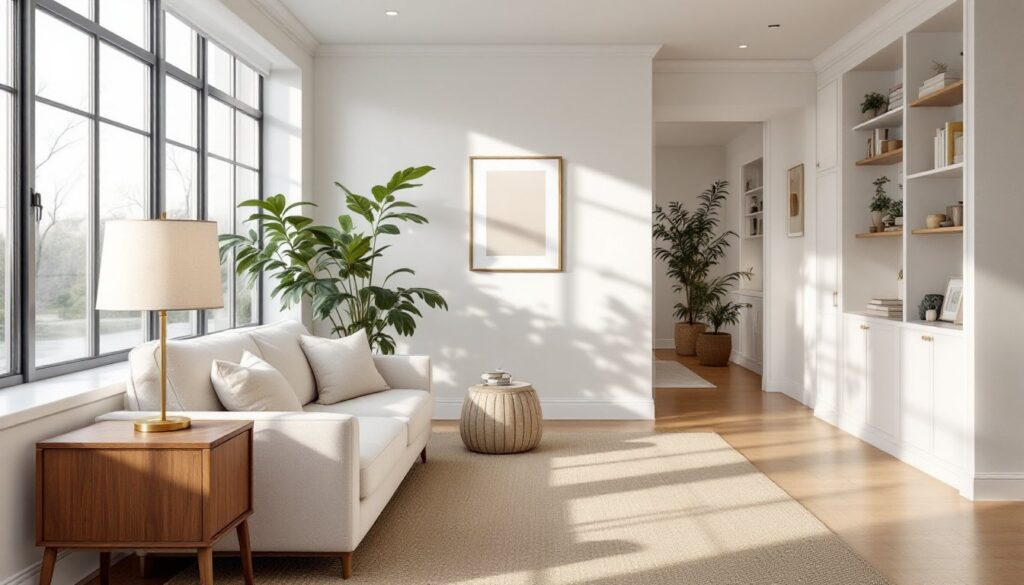
Charlotte Lucas’s aesthetic gravitates toward neutral color palettes with intentional accent tones, though she adapts to each client’s preferences. She frequently employs warm whites, soft grays, and earthy tones as backdrops, then layers texture and visual interest through material variety rather than bold colors.
Material selection is deliberate. Lucas combines natural elements, solid wood, stone, linen, leather, with carefully chosen metals (usually warm brass or matte black) and artwork. This creates depth and sophistication without visual chaos. She avoids mixing too many pattern types in a single room and ensures that any patterned textiles or wallcoverings have staying power beyond a season.
Functional design elements are integrated seamlessly. Custom built-ins, hidden storage, and properly scaled furniture allow spaces to feel open and uncluttered. She considers the actual dimensions of doorways, windows, and architectural features rather than ignoring them. For DIYers, this means measuring carefully before purchasing furnishings and acknowledging that a beautiful piece won’t work if it creates traffic jams or blocks natural light.
Notable Projects and Portfolio Highlights
Throughout her career, Charlotte Lucas has completed projects ranging from modest apartment refreshes to significant whole-home renovations. Her portfolio demonstrates consistent principles: each space looks distinctly tailored to its residents while maintaining her recognizable design language.
One recurring strength in her work is the ability to make smaller homes feel spacious and intentional. Rather than overcrowding a room with “design-y” touches, Lucas removes visual clutter and ensures every piece serves a purpose. Her renovation projects showcase thoughtful updates, refinished original hardwood floors, quality paint finishes, updated lighting that looks appropriate to the home’s era, rather than trendy overhauls that fight a home’s existing character.
Commercial projects demonstrate her flexibility. She’s designed offices, retail spaces, and hospitality environments with the same discipline: function first, aesthetics that support that function, and materials that perform under actual use. These projects underscore that solid design principles apply across contexts, which is useful knowledge for homeowners improving their own spaces.
Getting Started With Charlotte Lucas Interior Design Principles
Applying Charlotte Lucas’s design approach to your own home doesn’t require hiring a professional, though understanding her methodology will improve your results.
Start with assessment, not shopping. Spend time in each room documenting what works and what doesn’t. Note lighting issues, traffic patterns, storage gaps, and how you actually use the space. This prevents the common DIY mistake of purchasing decorative items before solving functional problems.
Invest in basics first. Before buying accent pieces or artwork, ensure your foundational pieces, sofa, bed, dining table, are quality and appropriately scaled. Lucas prioritizes solid, well-made furniture over volume. A room with fewer, better pieces always outperforms one cluttered with trend items.
Edit ruthlessly. Remove items that don’t earn their place. This means being honest about whether decorative objects genuinely add to the room or simply fill space. Restraint is harder than excess, but it’s what separates designed spaces from cluttered ones.
Choose materials for longevity. Select durable finishes like quality paint, solid wood, and performance fabrics that can handle real life. Avoid particle board or cheap upholstery that deteriorates within a couple of years.
Plan lighting intentionally. Layer ambient, task, and accent lighting rather than relying on one ceiling fixture. This is one of the highest-impact, most underrated design decisions homeowners make.
Stick with a color strategy. Pick two or three main colors for a room and build from there. This creates cohesion without monotony and makes future updates easier since new items naturally coordinate.
Conclusion
Charlotte Lucas’s interior design philosophy proves that thoughtful, livable spaces don’t require trend-chasing or excessive decoration. By prioritizing function, investing in quality, and exercising restraint, you can create interiors that feel both beautiful and genuinely comfortable. Whether you’re refreshing a single room or planning larger renovations, adopting her design principles, assessment before shopping, quality over quantity, and timeless over trendy, will improve your results and help you build a home you’ll love for years to come.