
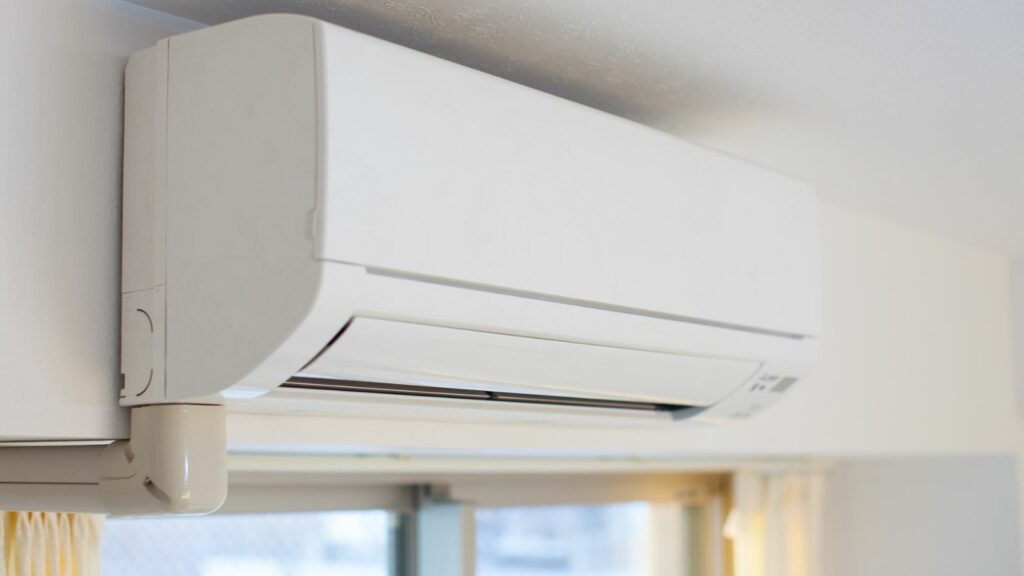
If temperatures are sufficiently high, air conditioning units are expected to operate under very high strain. This causes extended operating cycles for both residential and commercial air conditioning units, often running at full capacity, resulting in inefficient operation and eventual breakdown. Contractors working on air conditioning units are essential during this time, ensuring they continue to operate effectively despite high strain levels. This is achieved through preventive maintenance, optimization, and monitoring of air conditioning units to prevent breakdowns despite the strain caused by high temperatures.
Preventive Maintenance and Early Preparation
The initial defense mechanism for protecting a system from stress is preventive maintenance. Before warmer weather begins, contractors are responsible for system checks to determine the refrigerant charge, assess compressor status, and ensure adequate airflow through the ductwork and coils. Cleaned filters with lubricated motors improve system functionality and reduce energy waste. These preventive factors prevent small problems from worsening under high temperatures. Contractors are responsible for calibrating thermostats, checking electrical hookups, and draining condenser lines to avert potential system disruptions. All of these will ensure the system is in optimal condition during a heat wave. Such a system will operate more efficiently, without the common shutdowns during heat waves caused by system neglect.
- Real-Time Monitoring and Load Management Strategies
In extreme weather conditions, such as intense heat, it becomes essential to maintain an ideal balance between operating and preventing overheating in an efficient HVAC system. The contracting companies use monitoring software that measures and records changes in temperature, pressure, and energy usage. These measurements indicate impending damage to the system, which will affect system load. The use of thermostats and automation software enables continuous monitoring of cooling cycles, preventing the compressor from operating continuously. It is thus advisable for business and residential institutions to schedule HVAC service in Phoenix, Arizona, to ensure that monitoring software and system load balancing are properly configured. Balancing acts by reducing stress on system components, thereby increasing their lifespan under extreme-temperature conditions.
- Refrigerant Optimization and System Cooling Efficiency
The performance of any air conditioning system is highly reliant on appropriate refrigerant levels. Insufficient levels result in compressors operating at higher load, whereas excessive levels cause them to operate at lower load. Contractors are responsible for checking and adjusting levels in accordance with established standards. They also check for leaks that may be hard to detect but significantly affect the system’s cooling performance. Many contractors also check condenser coils for dirt that could reduce heat transfer. By maintaining clean, well-balanced systems, stress on air-conditioning systems is avoided. In this way, energy efficiency improves without causing immediate component wear and tear, ensuring reliable air conditioning.
- Energy Management and Peak Demand Reduction
One of the other considerations during heatwaves is the increased demand for energy. HVAC contractors use techniques that reduce power consumption without affecting client comfort. The application of zoning, where different zones of a house or other structure are cooled separately, helps ensure that cooled air reaches the targeted zones without overworking the equipment. Energy-efficient innovations, such as variable-speed compressors and high-efficiency fans, also help ensure consistent performance and power savings during periods of extreme weather. It is therefore essential to ensure proper collaboration between customers and contractors to maintain the cooling system’s stability during unprecedented hot weather.
- Emergency Repairs and Rapid Response Protocols
In fact, even with proper planning, system breakdowns can occur under intense stress. The solution provided by HVAC professionals is to prioritize emergency planning for service calls based on severity, system type, and the impact of a system failure. Time is of the essence here. Diagnosing and repairing quickly means there won’t be prolonged service interruptions that could affect safety and business. They come equipped with the necessary replacement and diagnostic tools. Many firms set up emergency service numbers during peak heat situations. In fact, their urgent repairs usually prevent potential system failures, such as compressor failures and electrical shorts. The quick response to stress demonstrates well-trained service teams during peak periods of system repairs during heat waves.
- Enhancing Airflow and Reducing Component Strain
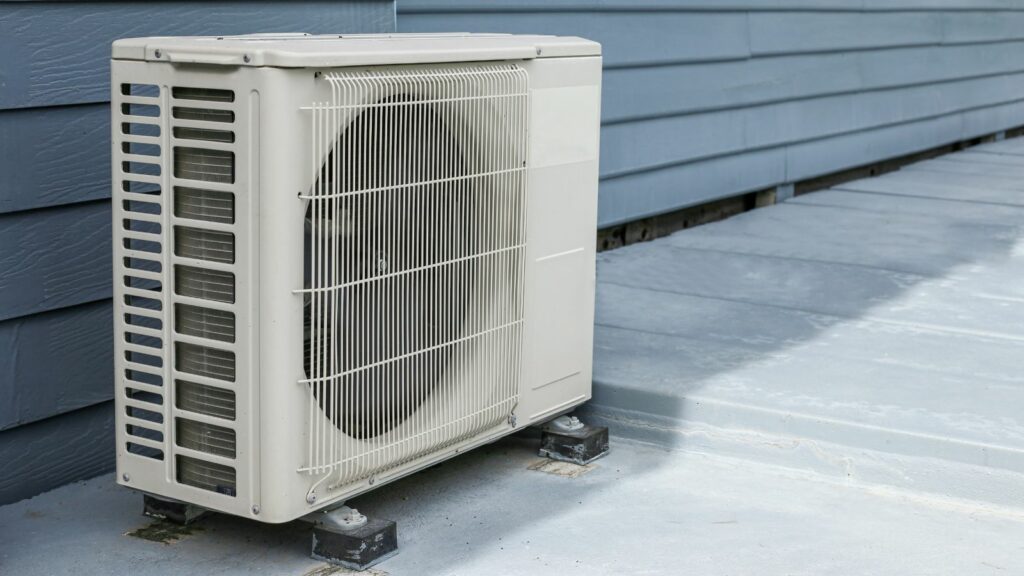
Effective airflow is one area that must be addressed if the system is to function well and reduce stress on it. Contractors examine the airflow system, fan speed, and air vents to ensure balanced airflow. Sometimes, contractors may note that the air handler is undersized for the heat load and recommend a larger, more efficient unit to ensure a smooth-running, cooler system that lasts longer during high-heat conditions.
- Upgrading Technology for Resilience and Efficiency
Newer HVAC systems feature an impressive array of components to handle higher thermal loads. Contractors recommend upgrading these old units to newer models with advanced features such as inverters, variable-speed motors, and adaptive cooling. This allows the cooling system to adjust energy consumption second by second according to exact demand, without spiking power consumption when demand diminishes. The smart controls can even predict performance issues based on historical data and environmental inputs. When retrofitting an older system, modern, high-efficiency components, such as thermostatic expansion valves, can significantly improve durability. In essence, contractors help clients future-proof their systems through technological evolution, ensuring continued comfort even as temperatures hit never-before-seen highs year after year.
- Educating Clients on Preventive Habits
In addition to performing mechanical repairs, HVAC contractors also place great importance on usage patterns. By educating homeowners and facility managers on how to operate systems effectively, contractors ensure there is no undue strain on the systems. Activities such as closing window blinds when the sun is at its peak, sealing gaps around window frames, or maintaining systems regularly may lie outside the realm of technical expertise but have a significant impact on overall performance. Through public education, contractors can ensure there are no hidden costs associated with operating systems and extend their lifespan.
Regarding extreme heat waves, the resilience of HVAC systems to prolonged periods of operation largely depends on proactive strategies. HVAC contractors play a crucial role as a first line of defense, integrating expertise with technology to protect HVAC systems from potential risks. Their proactive approach spans refrigerant management to airflow patterns, ensuring that cooling functions effectively when needed most. These strategies not only ensure a comfortable environment but also reduce power strain during extreme heat. In a world with intensifying climate conditions, HVAC professionals are a vital source of support in maintaining a healthy environment—not a synonym for adaptation, but a definition of preparedness.